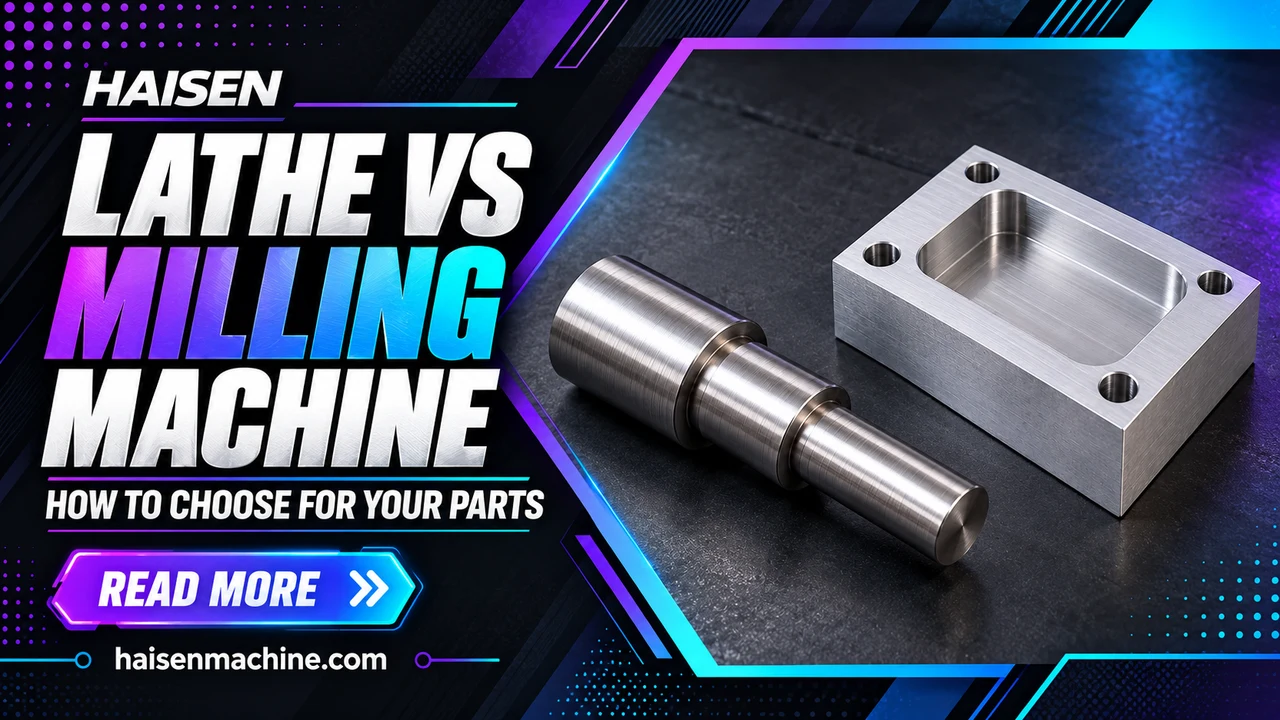
A lathe is usually suited to round or rotationally symmetric parts, such as shafts and sleeves, while a milling machine commonly produces block-like parts, brackets, housings and complex non-round shapes. Start with the finished part’s shape and required features, then check the machining route. Some parts need both turning and milling on separate or suitably configured machines.
What is a lathe?
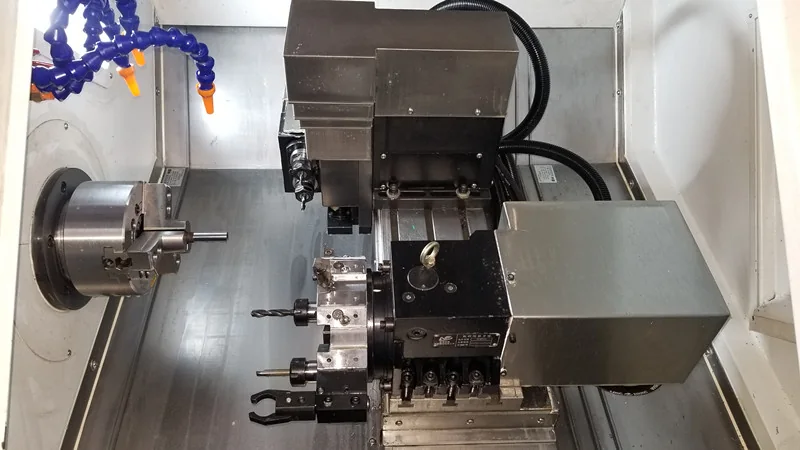
A lathe is a machine tool that removes material by rotating a workpiece while a cutting tool feeds along or across it. Its main process is turning, used to produce diameters and other features around the workpiece’s rotation axis.
What workpiece shapes are commonly machined on a lathe?
Lathes are especially suited to round and rotationally symmetric parts, such as cylindrical shafts, tapered or conical sections, stepped shafts, discs, rings and sleeves. Their main turned surfaces are formed around a common axis. Suitable lathes and tooling can also produce complex stepped or curved rotational profiles.
A chuck, collet or centers locate and support the workpiece. Common operations include external turning, facing, boring, grooving and threading. Drilling can also be part of the operation sequence.
What is a milling machine?
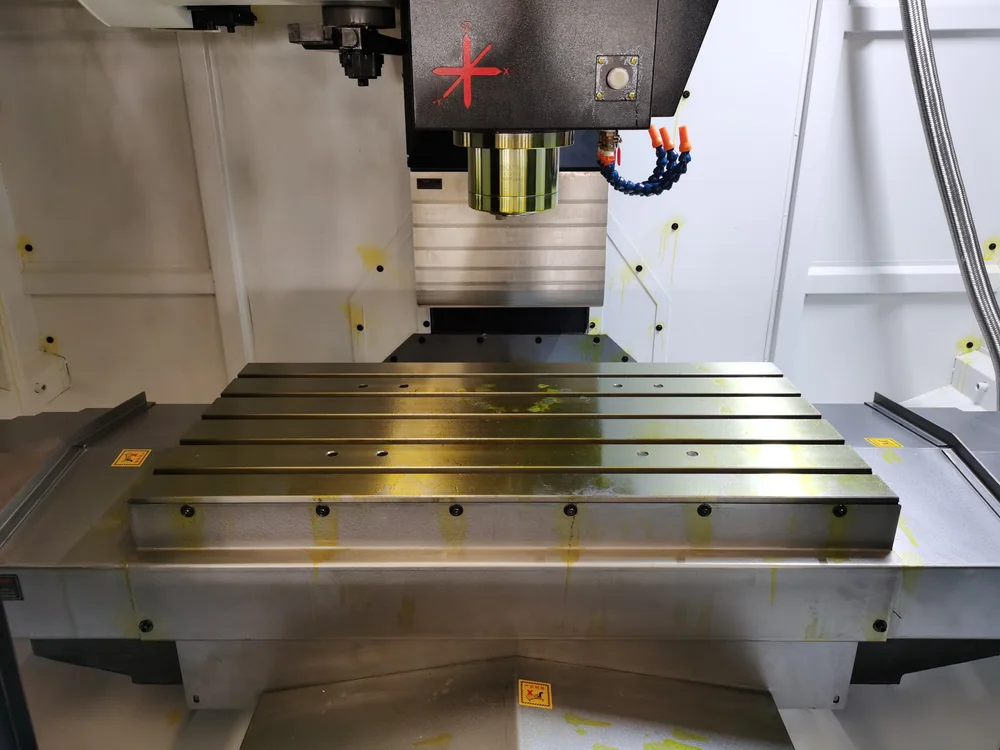
A milling machine removes material with a rotating cutting tool. The workpiece is clamped to a table or fixture, and controlled movement between the cutter and workpiece generates the required surfaces.
What workpiece shapes are commonly machined on a milling machine?
Milling machines commonly make block-like, non-round and irregularly shaped parts, such as plates, brackets and housings. Typical features include flat or angled faces, slots, pockets and contours on different sides. With suitable machines, tooling and setups, milling can also produce complex curved surfaces and mold cavities.
Common operations include face milling, slotting, pocketing, contouring, drilling and tapping with appropriate tools. Vertical and horizontal machines use different spindle arrangements.
Lathe vs milling machine: key differences
The basic distinction is the primary cutting motion, but workholding and the required features determine how each machine is used.
| Comparison | Lathe: conventional turning | Milling machine |
|---|---|---|
| Primary rotation | Workpiece | Cutting tool |
| Typical workpiece shapes | Round and rotationally symmetric: cylinders, cones, stepped profiles, discs and rings | Block-like, non-round or irregular shapes; flat, angled and curved surfaces |
| Typical part examples | Shafts, pins, bushes, sleeves, discs and rings | Plates, brackets, housings, blocks and mold inserts |
| Common operations | Turning, facing, boring, grooving and threading | Face milling, pocketing, profiling, drilling and tapping |
| Typical workholding | Chuck, collet or centers | Vise, clamps or dedicated fixture |
| Main selection question | Can you hold, rotate and support the part correctly? | Can you fixture the part and reach every required feature? |
These are typical strengths, and capabilities overlap. A lathe can machine a flat end face or a complex rotational profile, while a mill can machine simple flat parts as well as circular holes and pockets. Choose from the finished features and required operations, not the raw blank’s outline alone.
When should you use a lathe?
Choose a lathe when the main job is to produce round surfaces or features around a common axis. Typical situations include:
- You need to machine cylindrical, stepped or tapered outer surfaces on a shaft, pin or roller.
- You need to machine the inner and outer cylindrical surfaces of a sleeve, bush or ring.
- You need to cut circumferential grooves or threads on a round workpiece.
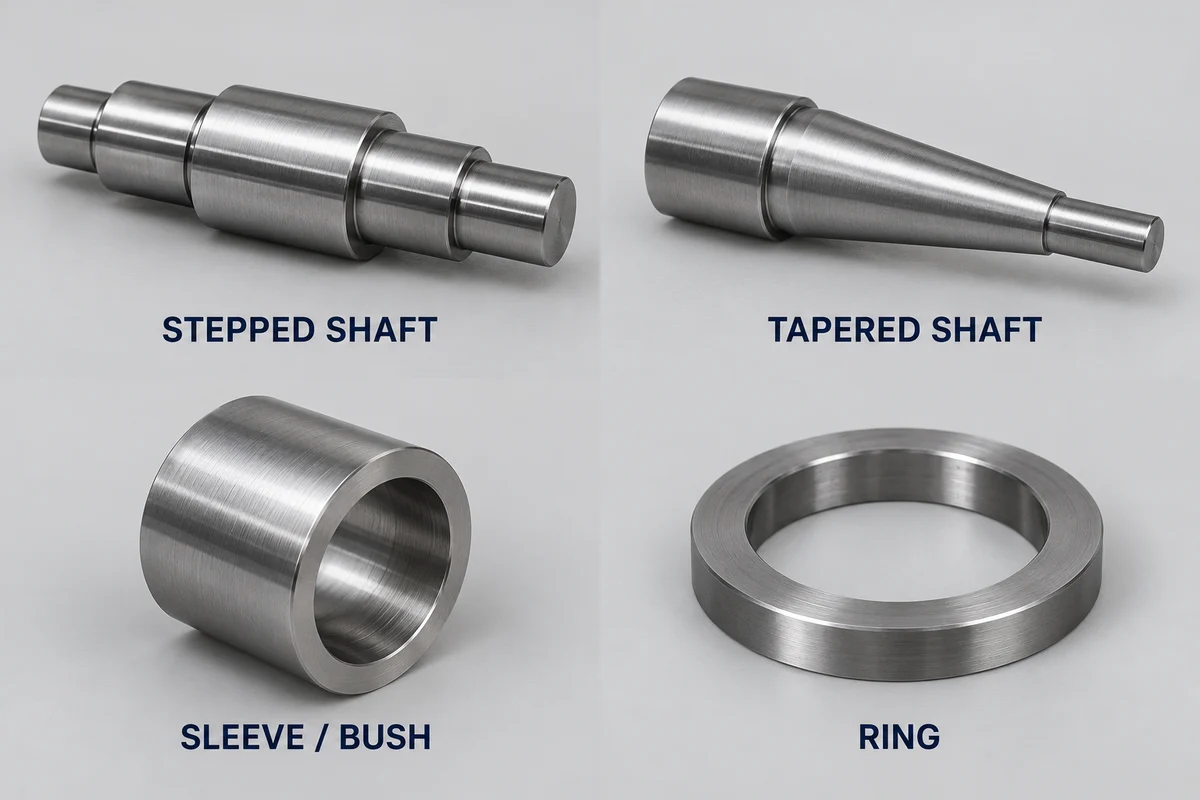
For example, a stepped shaft with two bearing seats and a threaded end needs turning operations to produce its different diameters and thread.
If that shaft also needs a keyway or flat faces, those features may require milling.
When should you use a milling machine?
Choose a milling machine when the part needs flat or angled faces, slots, pockets, contours or holes at different positions. Typical situations include:
- You need to machine mounting faces, slots or a pattern of holes on a plate or bracket.
- You need to machine pockets, recesses or features on several sides of a block or housing.
- You need to machine an irregular outer contour or a curved mold cavity, using suitable tooling and a machine with the required access.
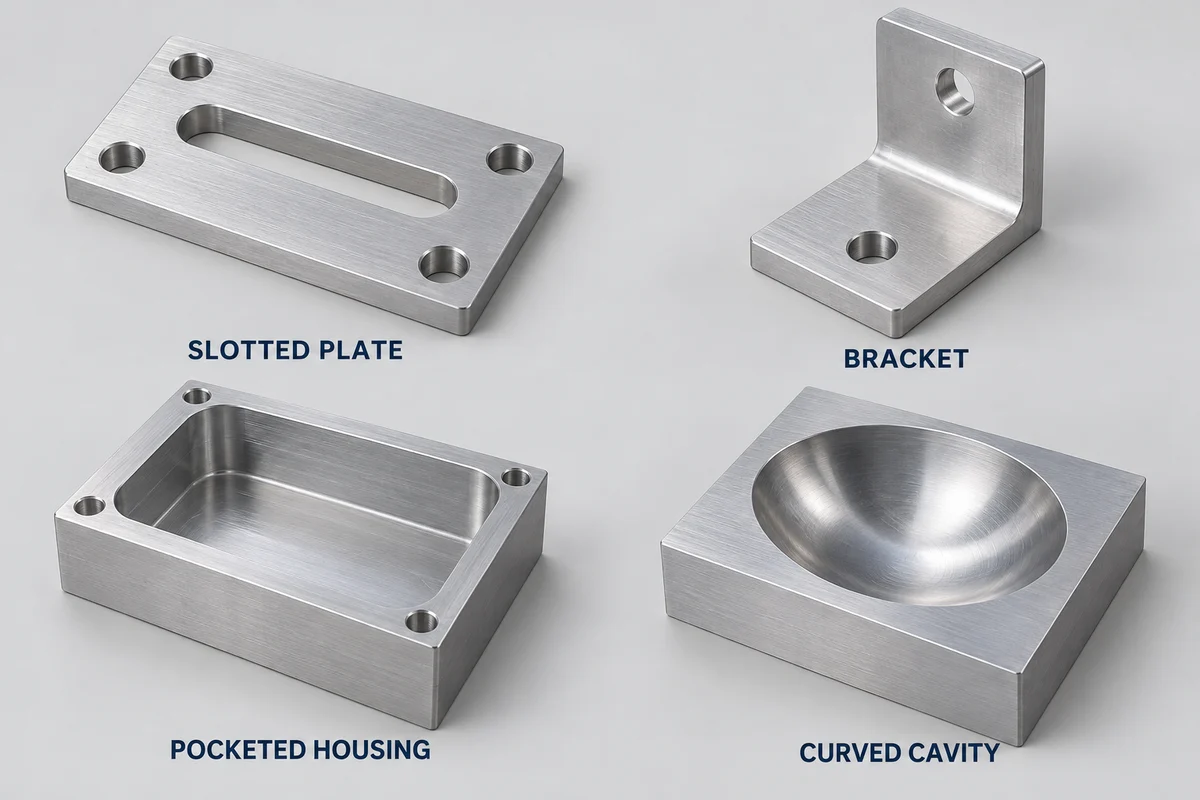
For example, a housing with a flat base, an internal pocket and four mounting holes is a typical milling job: the cutter must reach features at several positions.
If the component is mainly a shaft or sleeve whose key diameters share one axis, start by assessing a lathe.
What if a part needs both turning and milling?
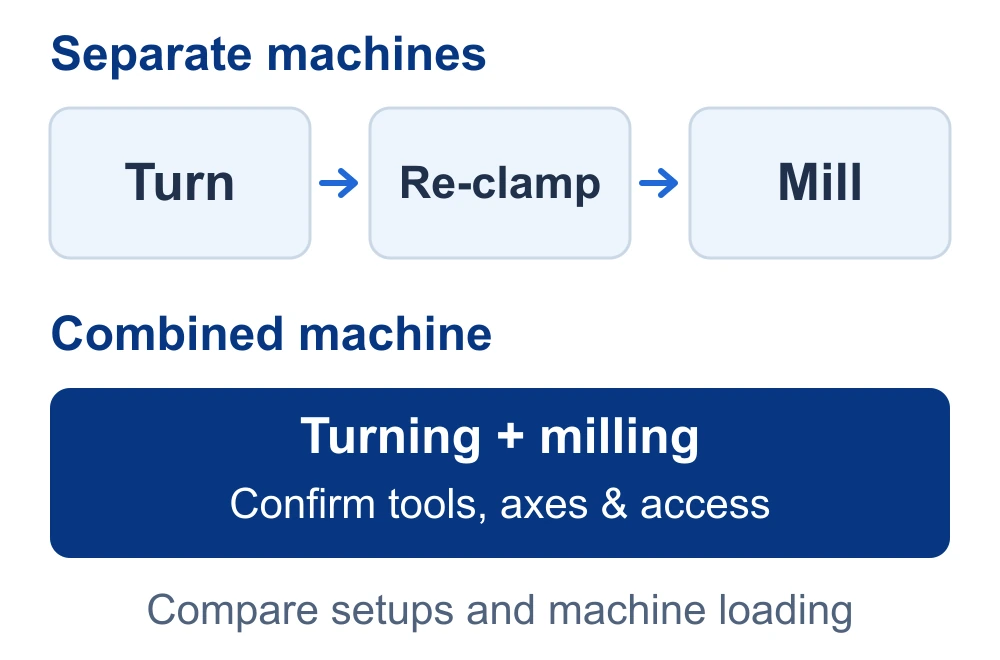
Use both processes when the drawing includes turned features together with milled slots, pockets, flats or distributed holes. A shaft with bearing seats and a keyway is a straightforward example. Compare separate machines with a machine configured for both operations.
Using separate machines
The shaft can be turned first, then located and clamped on a milling machine to cut the keyway. This gives each operation a dedicated machine, but the second setup must locate from the correct reference surfaces.
Transfers and re-clamping add handling and can affect relationships between features. Separate machines may also work in parallel when the production schedule allows.
Using a configured turn-mill machine
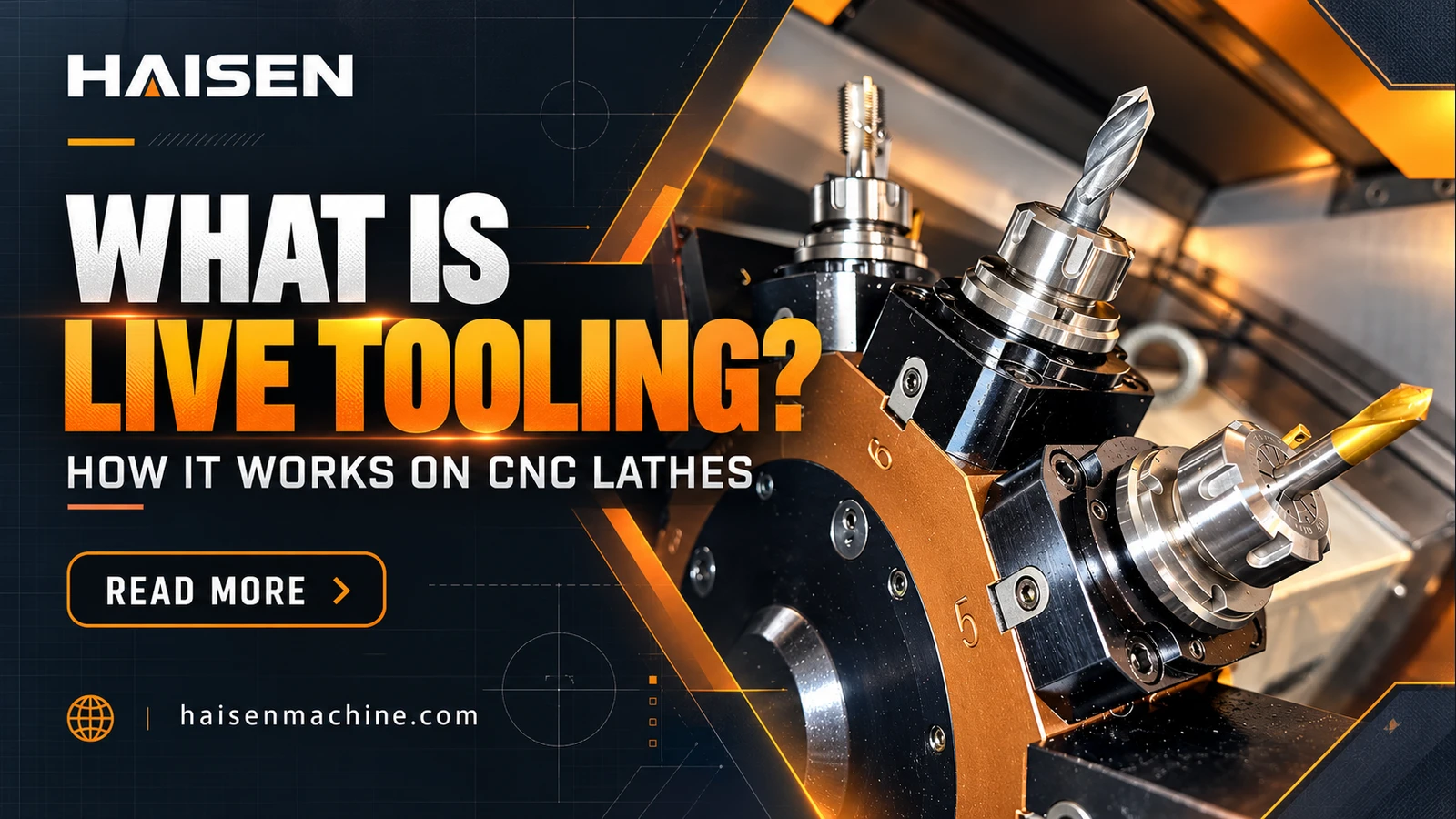
A turning center with suitable driven tooling may perform the required milling work. Confirm the driven-tool stations and holders, the spindle positioning or C-axis functions needed, any required Y-axis travel, and the control and programming options. Tool reach and clearance still need to be checked for the part.
The labels CNC, live tooling or Y axis alone do not prove that every feature can be finished in one setup. Ask for the operation sequence and any remaining secondary work. A combined route may reduce transfers, but it can occupy one machine for a longer sequence and require more involved setup and programming.
How do you choose between a lathe and a milling machine?
Start with the part’s important features, then check whether the proposed setup can achieve them at the required production cost. Review the following points after identifying the turning, milling or combined route.
Usable capacity and workholding
On a lathe, swing describes the diameter that can rotate clear of a stated part of the machine. Maximum turning diameter refers to the specified cutting envelope, which can be smaller than swing. Machining length describes the specified axial cutting reach. Spindle bore is the passage through the spindle; usable bar capacity also depends on the fitted chuck or collet. Check these figures against jaw projection, tools and any tailstock or steady-rest support in your proposed setup.
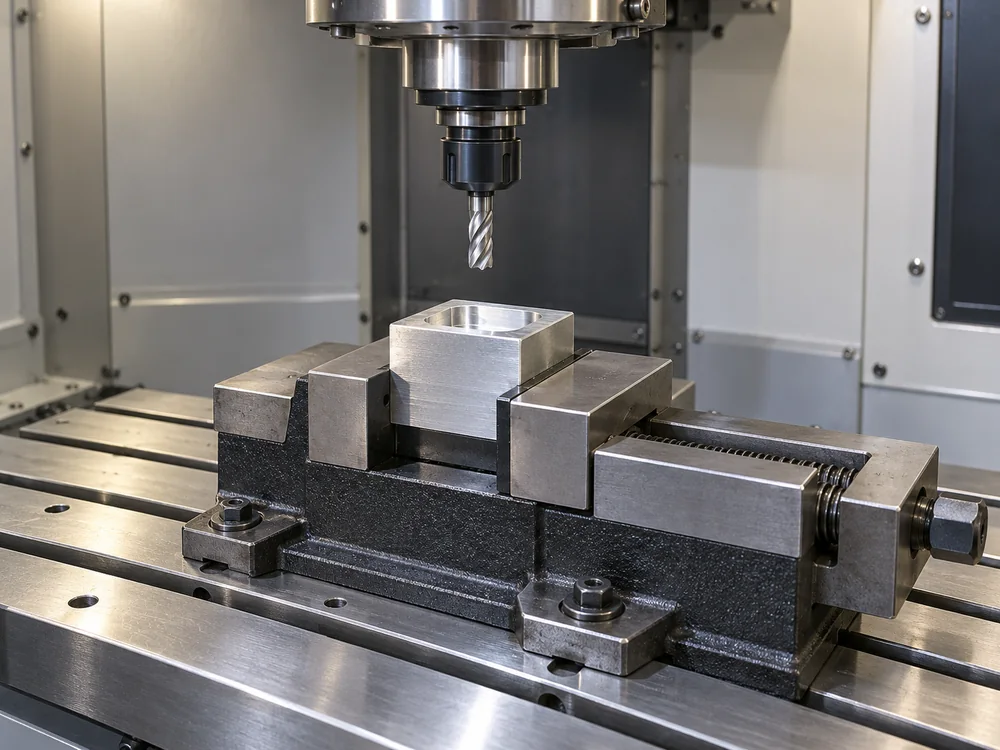
On a milling machine, review axis travel, table size and load, fixture height, tool length and spindle clearance together. A part may fit on the table but still be difficult to clamp or impossible to reach with the proposed tools. Include the fixture and the machining approach when checking the envelope.
For process-specific setup and tooling considerations, see Sandvik Coromant’s turning application guidance and milling application guidance.
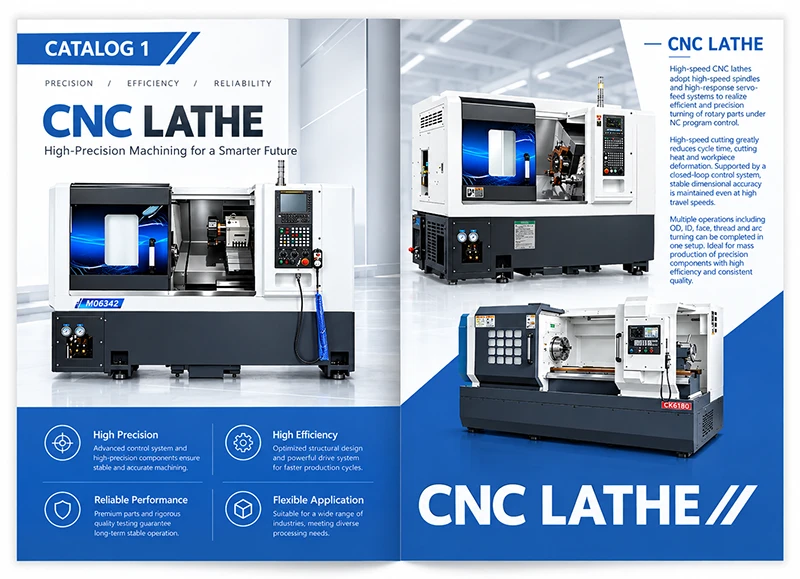
After choosing the process, compare CNC lathe models and configurations or our machining center range against the part size, required support and tool access.
Accuracy and inspection
Specify the drawing tolerances, geometric relationships and surface finish, then agree on how they will be measured. Neither machine type is inherently more accurate for every part.
Machine positioning accuracy, repeatability and finished-part accuracy are different measures. Workholding, tooling, material and thermal conditions affect the result. For demanding work, agree on a representative trial part and inspection conditions before accepting a performance claim.
Production needs and cost
Base a first-machine purchase on the jobs you expect to produce: list their turning and milling operations and identify what would need a second process or subcontracting. For an existing workshop, invest in the operation restricting output. Round-looking parts may still queue for milling.
Include setup and programming, loading, transfers, inspection, tools and fixtures, changeovers and downtime when comparing costs. Batch size and product mix can change which route is economical. Material affects the required tooling, spindle and coolant arrangements; it does not select turning or milling by itself.
Information and quotation scope
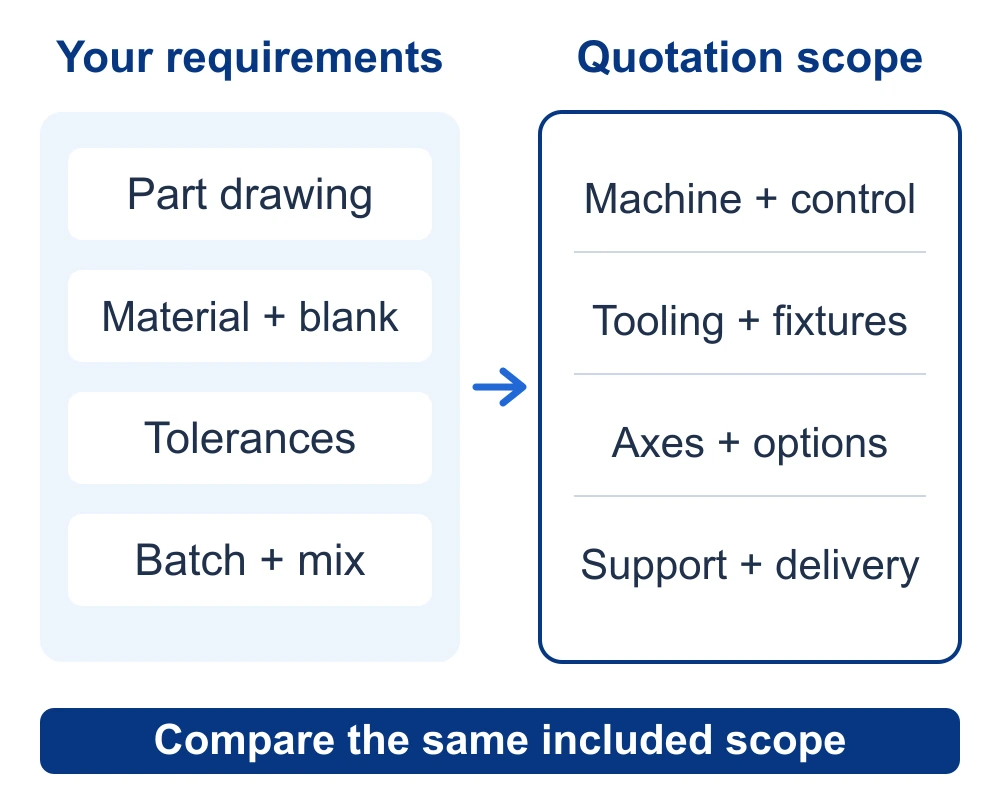
Send the drawings or representative parts you can share, material and blank details, critical tolerances, surface requirements and inspection criteria. Include batch sizes, expected production volume, your existing equipment, installation constraints and project timing. For varied work, describe the product mix and representative size range.
Compare the proposed configurations and included items on a consistent basis. Check the machine, control, workholding, tooling and options in each offer, then confirm the currency, quotation date and validity, trade term and named place, and whether packing, freight, insurance, import charges, installation and training are included.
Ask the supplier to return the proposed configuration, included and optional items, remaining operations and points requiring technical confirmation. That makes competing offers easier to compare on the same basis.
FAQs
Does CNC change the choice between a lathe and a mill?
CNC describes computer control of machine movements and can be used on both lathes and milling machines. It does not by itself specify the machine’s operations, axes or tooling.
Is a vertical lathe the same as a vertical milling machine?
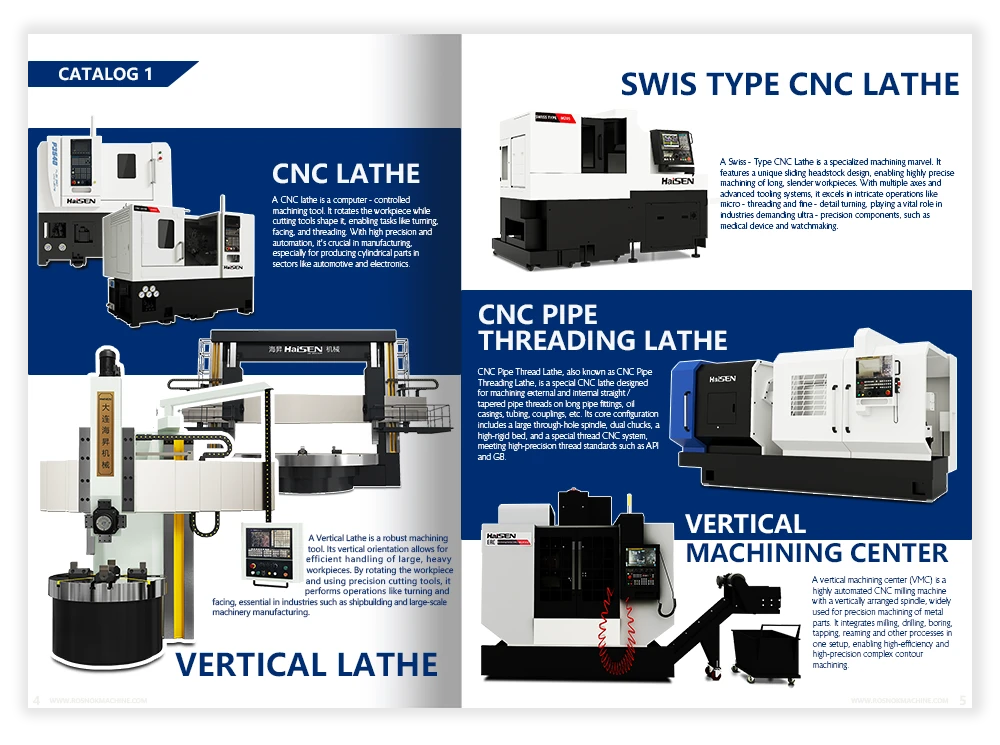
No. A vertical lathe primarily turns the workpiece around a vertical rotation axis. A vertical milling machine primarily rotates its cutting tool on a vertical spindle. The shared word “vertical” describes orientation; it does not make the processes or machines interchangeable.
Is a CNC milling machine the same as a machining center?
The terms overlap in commercial use. A machining center commonly combines CNC milling-based operations with automatic tool changing, while individual machine descriptions vary. Check the actual tool-changing system, axes, spindle and workholding arrangements in the specification instead of relying on the name alone.
Conclusion
A lathe rotates the workpiece and is well suited to machining round parts such as shafts and sleeves. A milling machine rotates the cutting tool and is suited to machining plates, brackets and housings with flat faces, slots, pockets or complex contours. Workpieces that combine turned surfaces and milled features may require both processes.
HAISEN can discuss machine selection and configuration against your application requirements. Share the drawings you can provide, material, critical tolerances and expected batch sizes, along with your existing equipment and required new capability. We can use those details to discuss suitable options and identify what needs further technical confirmation before quotation.