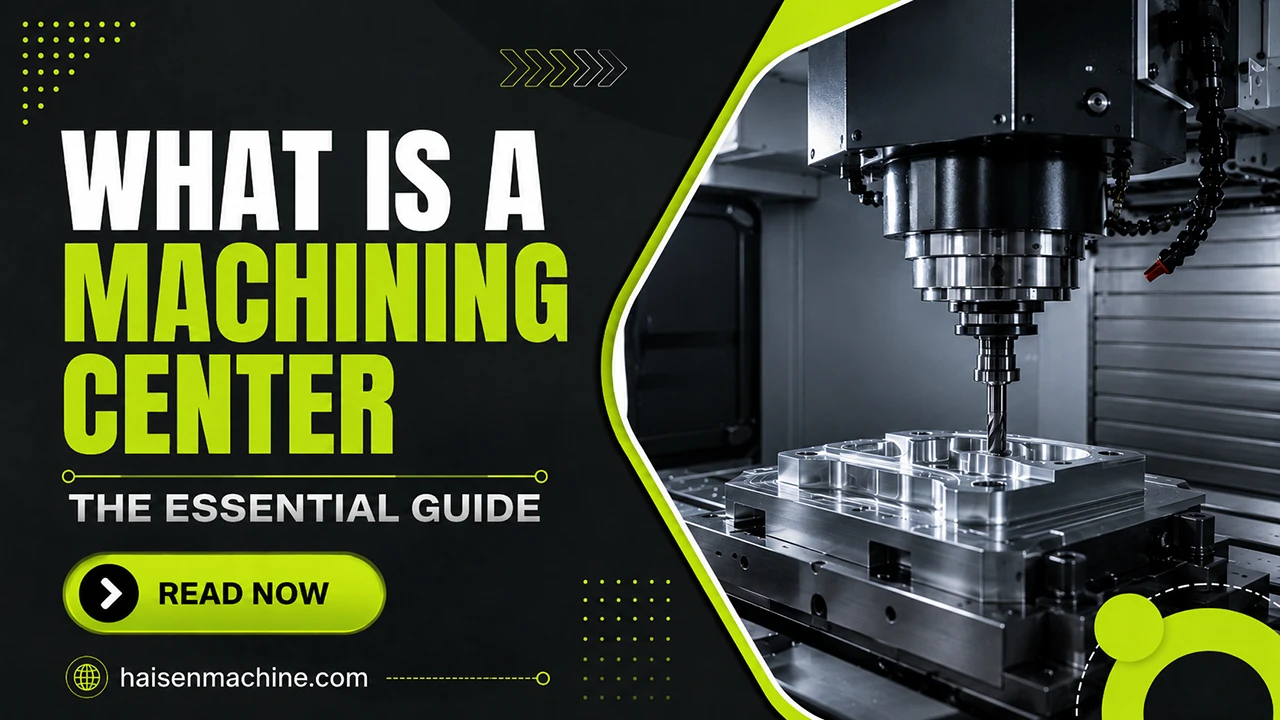
In modern manufacturing, efficiency and precision dictate success. Machining centers are the backbone of industries ranging from automotive to aerospace, directly shaping production cycles and long-term costs. By consolidating multiple machining processes into a single setup, they drastically reduce human error, slash setup times, and boost overall throughput.
This essential guide provides a comprehensive understanding of machining centers. We will explore their core components, main types, key differences from standard CNC mills, and practical advice for equipment selection.
What is a Machining Center?
A machining center is a highly automated computer numerical control (CNC) machine tool engineered for precision metal machining. Rather than functioning as a single-purpose device, it serves as an integrated manufacturing platform for completing multiple cutting operations on one workpiece in a single setup.
It can perform common metal-cutting processes such as milling, drilling, boring, tapping, and contour machining. The word “center” is important because the machine centralizes several related machining steps into one controlled workflow, instead of requiring the workpiece to move repeatedly between different machines or stations.
The defining characteristic of a machining center is its ability to support multi-process machining with stable repeatability. For manufacturers, this means fewer setup changes, better process continuity, and more consistent results when producing complex metal parts or batch-production components.
How Does a Machining Center Work?
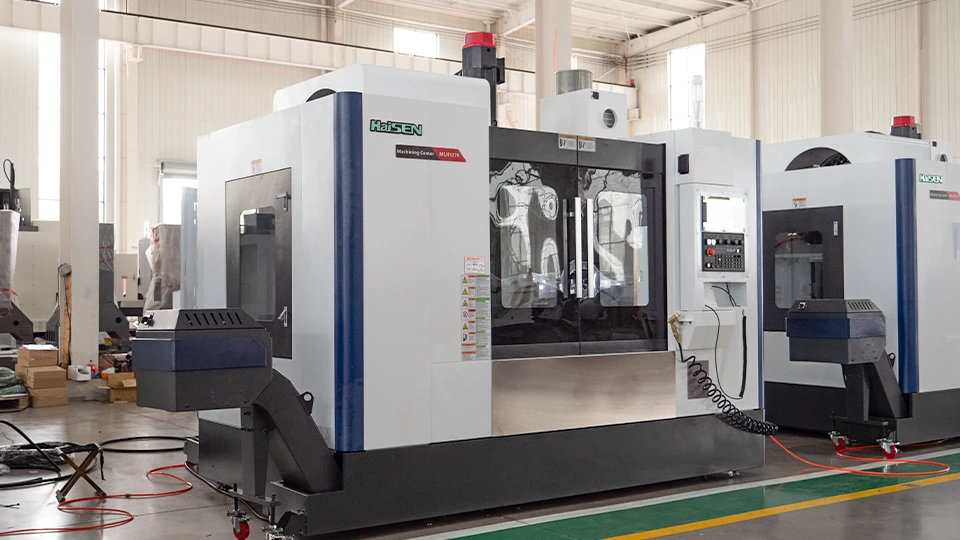
A machining center transforms raw material into a precise component through a programmed and automated workflow. Its real advantage is not only its ability to cut metal, but its ability to connect several machining steps into one continuous and stable process.
The machining process usually follows a clear sequence:
- Programming: Engineers create a machining strategy based on the part drawing, material, tolerance requirements, and cutting process. The CNC program is then loaded into the machine control system.
- Workpiece Setup: The raw material or semi-finished part is securely clamped on the worktable or fixture. A stable setup is essential because the following operations depend on accurate positioning.
- System Execution: Once the cycle starts, the CNC system controls the machine movement according to the programmed tool path. The machine axes move precisely to guide the cutting tool across the required machining areas.
- Material Removal: The spindle drives the cutting tool to remove material from the workpiece. Depending on the program, the machine can create flat surfaces, holes, slots, threads, contours, or other required features.
- Process Continuity: When different tools or operations are needed, the machining center continues the sequence according to the program. This allows several machining steps to be completed in one setup, with less manual interruption and fewer positioning errors.
In simple terms, a machining center works by turning a digital machining plan into a controlled cutting process. The workpiece stays fixed, the machine follows the program, and multiple operations are completed in a logical sequence until the final part geometry is formed.
Main Components of a Machining Center
A machining center is built around several core systems that work together to control cutting accuracy, process stability, and machining efficiency. Each component has a clear role. The quality of these systems directly affects how well the machine performs in real production.
Machine Bed and Column
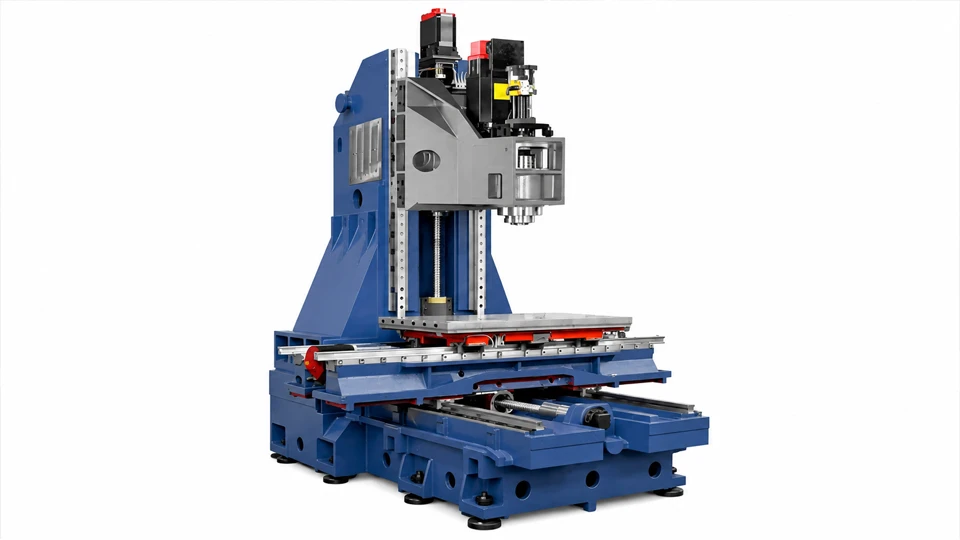
The machine bed is the foundation of a machining center. It supports the main structure, absorbs cutting forces, and helps reduce vibration during machining. A rigid bed is especially important when processing steel, cast iron, or other hard materials.
The column supports the spindle head and keeps the cutting system stable during movement. If the bed and column lack rigidity, the machine may produce vibration, poor surface finish, or dimensional errors. For this reason, machining centers usually use heavy cast structures or reinforced designs to maintain long-term accuracy.
Spindle System
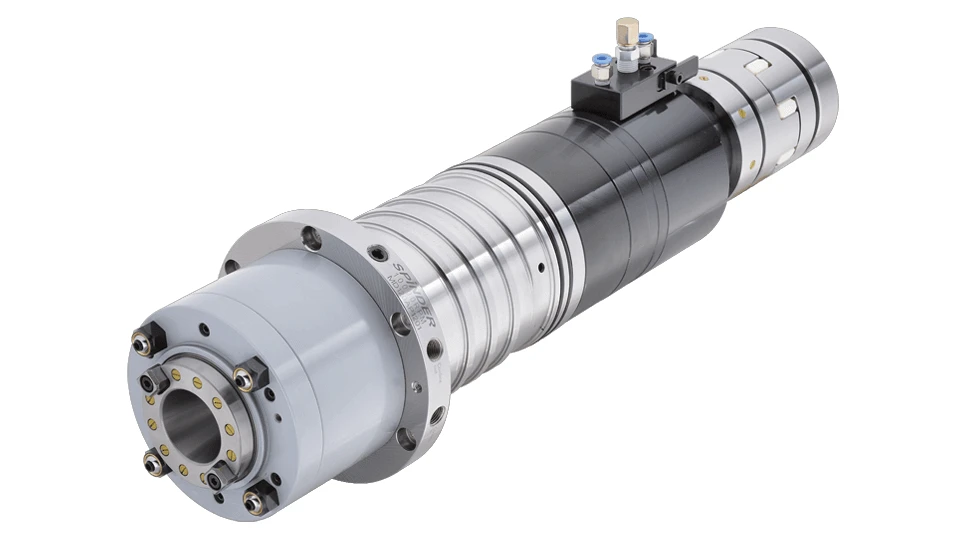
The spindle is the core cutting unit of a machining center. It holds and rotates the cutting tool at the required speed. Its speed, power, torque, and runout accuracy strongly influence cutting performance.
A high-speed spindle is useful for aluminum parts, molds, and fine surface finishing. A high-torque spindle is better for heavy cutting, steel machining, and roughing operations. The right spindle configuration depends on the workpiece material, tool size, and required machining process.
Worktable and Feed System
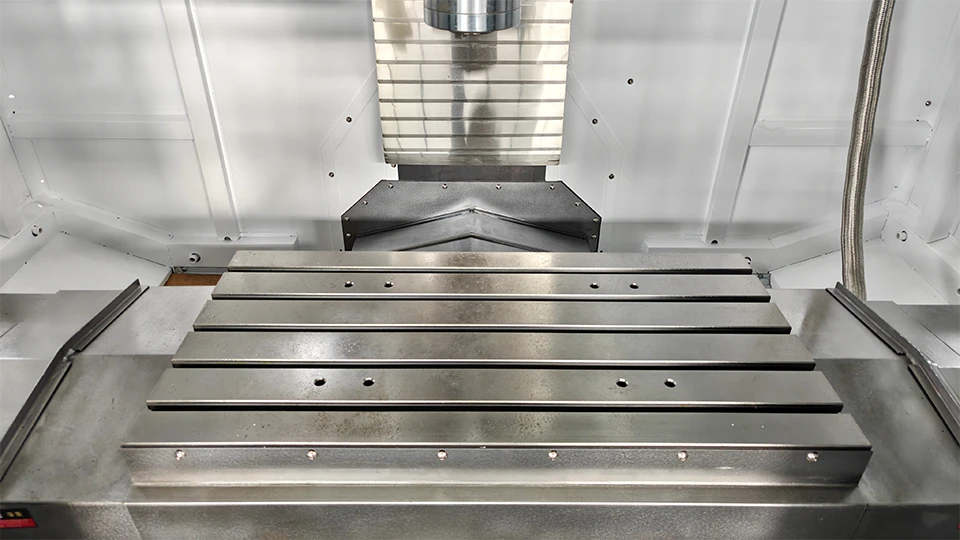
The worktable holds the workpiece or fixture during machining. It must provide stable clamping support so the part does not shift under cutting force.
The feed system controls machine movement along the X, Y, and Z axes. It guides the tool and workpiece into the correct cutting position according to the CNC program. High-quality ball screws, linear guides, and servo drives help improve positioning accuracy, repeatability, and surface consistency.
Tool Magazine
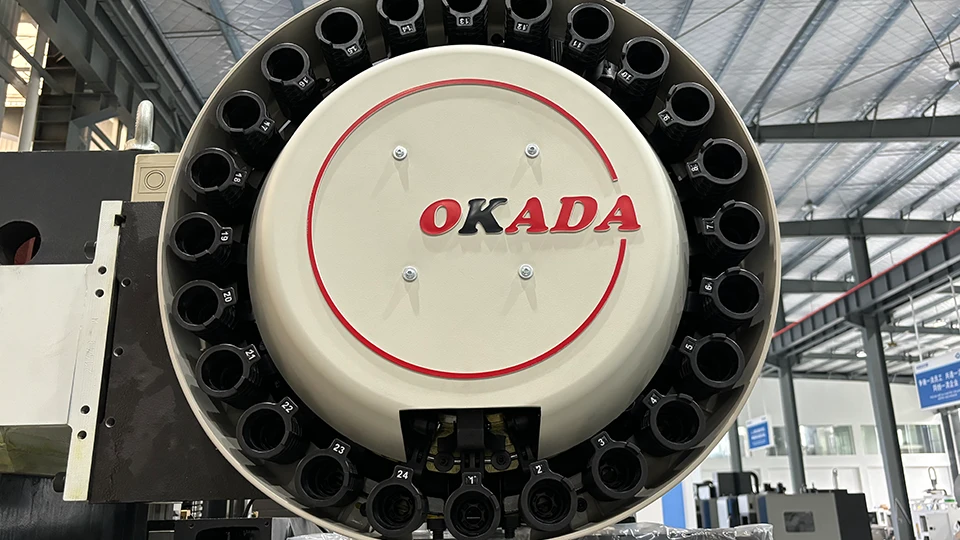
The tool magazine stores different cutting tools needed for the machining process. These may include end mills, drills, boring tools, taps, reamers, and finishing tools.
Its main purpose is to prepare multiple tools for continuous machining. A larger tool magazine is useful when a part requires many operations or when a factory wants to reduce downtime between jobs. Common tool magazine types include disc-type magazines for compact setups and chain-type magazines for higher tool capacity.
Automatic Tool Changer
The automatic tool changer, often called ATC, transfers tools between the spindle and the tool magazine. It allows the machining center to switch tools automatically according to the CNC program.
This is one of the most important features of a machining center. It reduces manual tool changing, shortens non-cutting time, and helps maintain process continuity. For parts that require several machining steps, a reliable ATC improves both efficiency and consistency.
CNC Control System
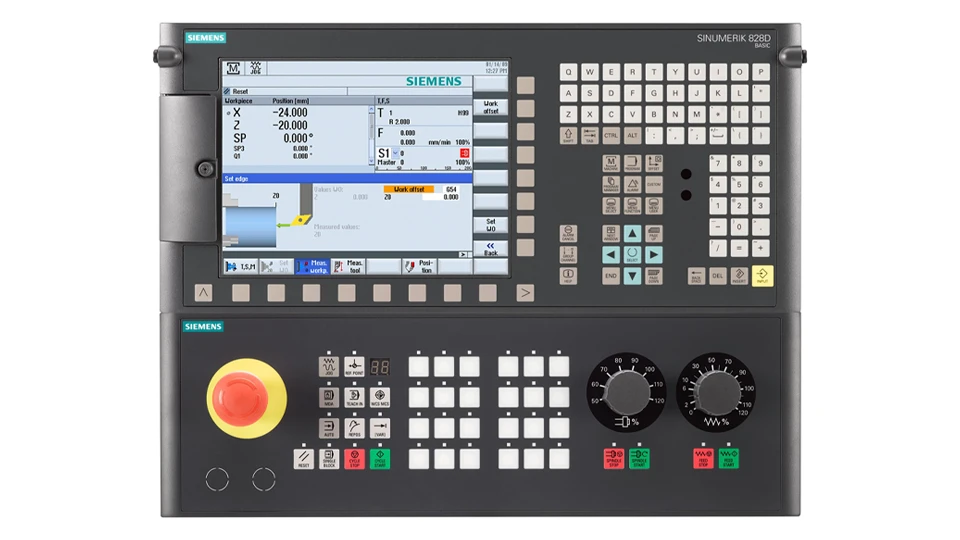
The CNC control system is the command center of the machine. It reads the machining program and controls spindle speed, feed movement, tool changes, coolant, and machining sequence.
Modern CNC systems can also support tool compensation, coordinate setting, simulation, alarm diagnosis, and machining parameter adjustment. A stable and user-friendly control system helps operators run the machine more safely, accurately, and efficiently.
Common Types of Machining Centers
Machining centers come in various structural configurations, engineered to accommodate different workpiece sizes, geometries, and machining complexities. Understanding these primary types helps determine the right structural fit for specific manufacturing tasks.
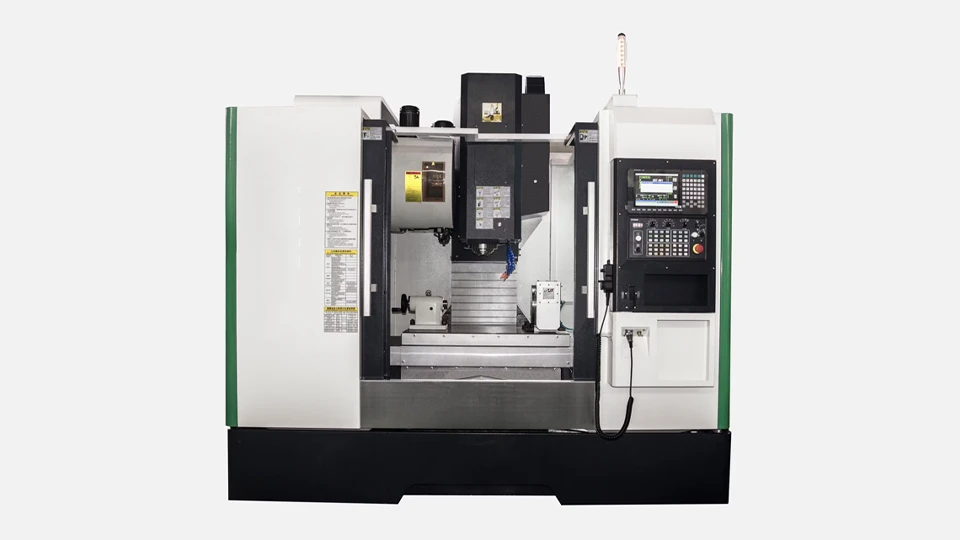
Vertical Machining Centers (VMC)
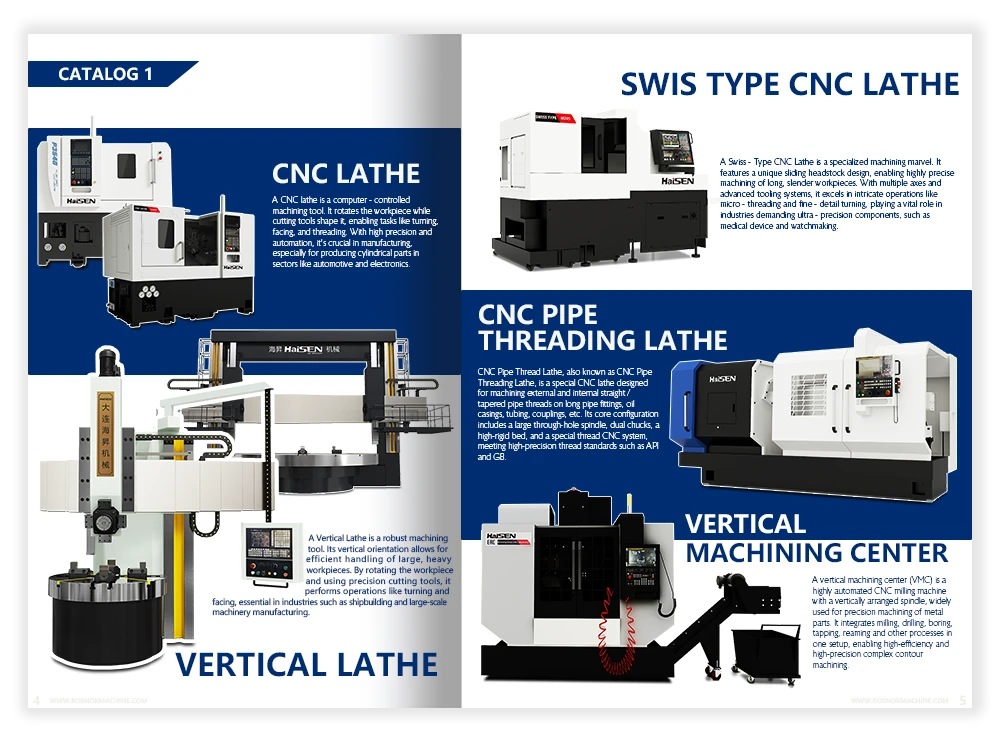
In a VMC, the spindle is oriented vertically, perpendicular to the worktable. This configuration provides operators with excellent visibility during the cutting process and makes workpiece clamping straightforward. Because of their versatility and ease of use, VMCs are the most widely adopted machining centers in factory floors, highly effective for processing flat parts, plates, cavities, and molds.
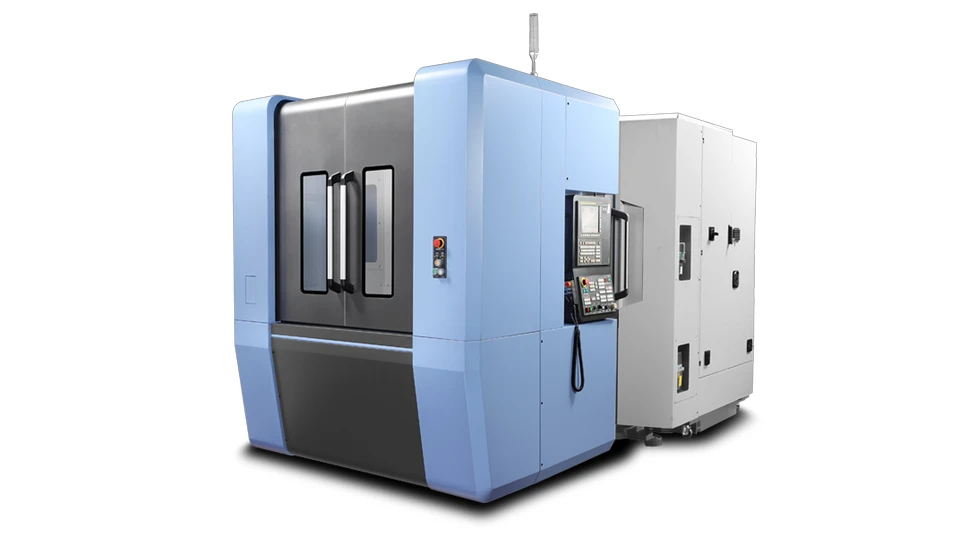
Horizontal Machining Centers (HMC)
The spindle in an HMC is positioned horizontally. This design allows gravity to naturally pull chips away from the cutting zone, providing superior chip evacuation—a critical factor for deep cavity machining. HMCs are ideal for heavy, box-like parts, multi-sided machining, and uninterrupted high-volume production. While highly efficient, they generally require a larger floor space and a higher initial investment compared to VMCs.
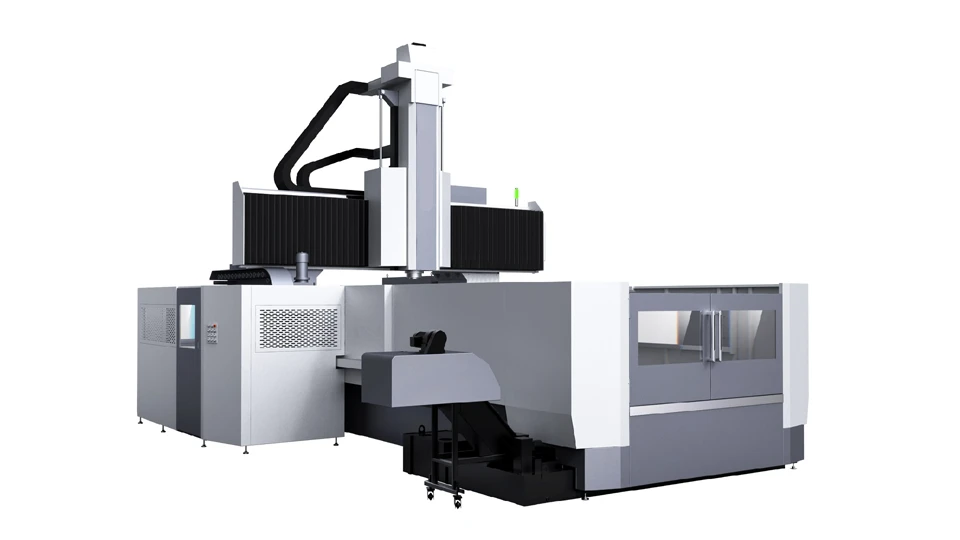
Gantry Machining Centers
Designed with a robust, double-column bridge structure, gantry machining centers deliver exceptional rigidity over a massive working envelope. They are specifically built to handle oversized and extremely heavy workpieces. Manufacturers rely on gantry machines for processing large-scale molds, heavy engineering machinery, ship components, and energy equipment parts.
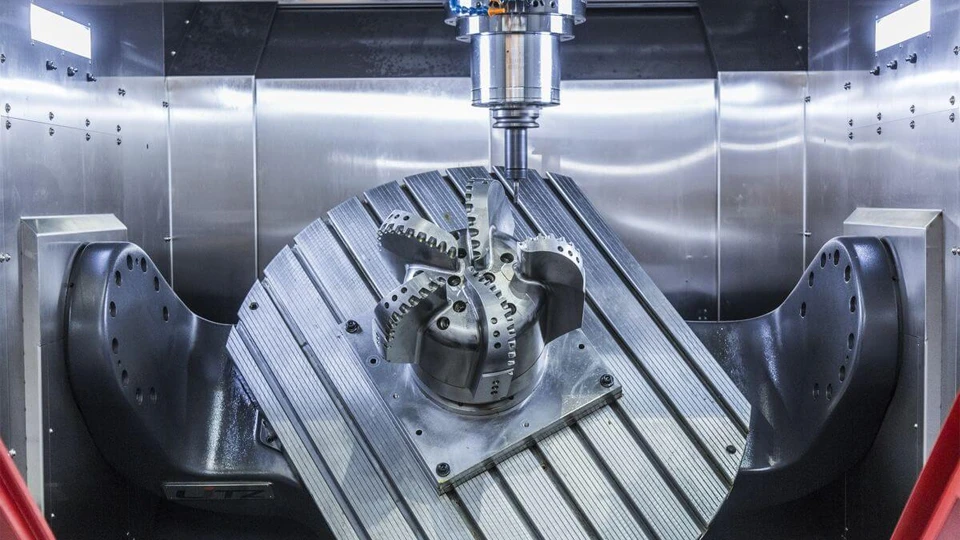
Five-Axis Machining Centers
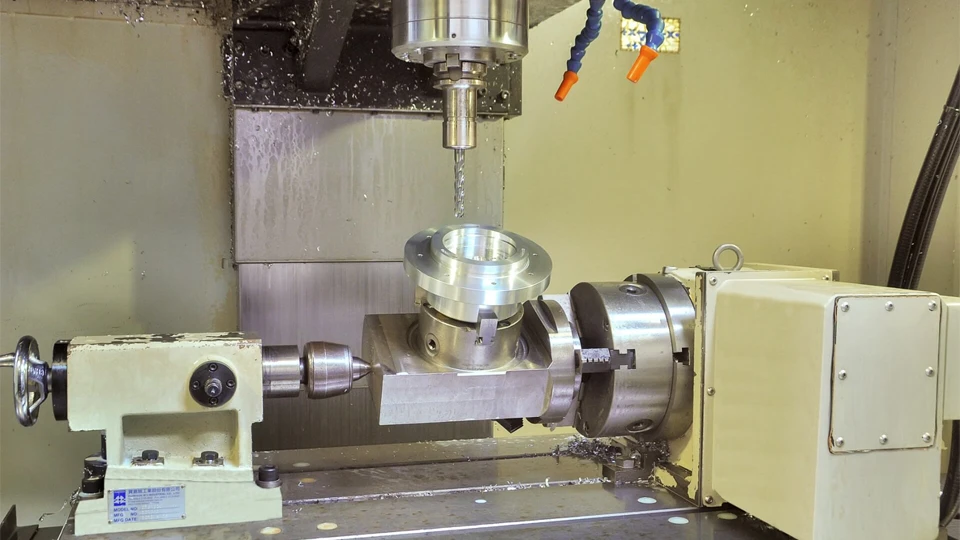
Five-axis machining centers can move a cutting tool or the workpiece along five different axes simultaneously. This advanced kinematic capability solves the challenge of machining intricate geometries, undercuts, and complex curved surfaces. By completing multi-angled features in a single setup, they eliminate cumulative setup errors, making them essential for high-end applications like aerospace impellers, medical devices, and precision molds.
What Operations Can a Machining Center Perform?
A machining center can perform several metal-cutting operations in one setup. Its strength is not limited to one machining method. It can combine rough machining, hole machining, thread machining, and finishing into a controlled production sequence.
Milling
Milling is one of the most common operations performed on a machining center. It uses a rotating cutting tool to remove material from the workpiece surface.
A machining center can perform face milling, contour milling, slot milling, pocket milling, and cavity machining. These operations are widely used to create flat surfaces, steps, grooves, profiles, and complex shapes on metal parts.
Drilling
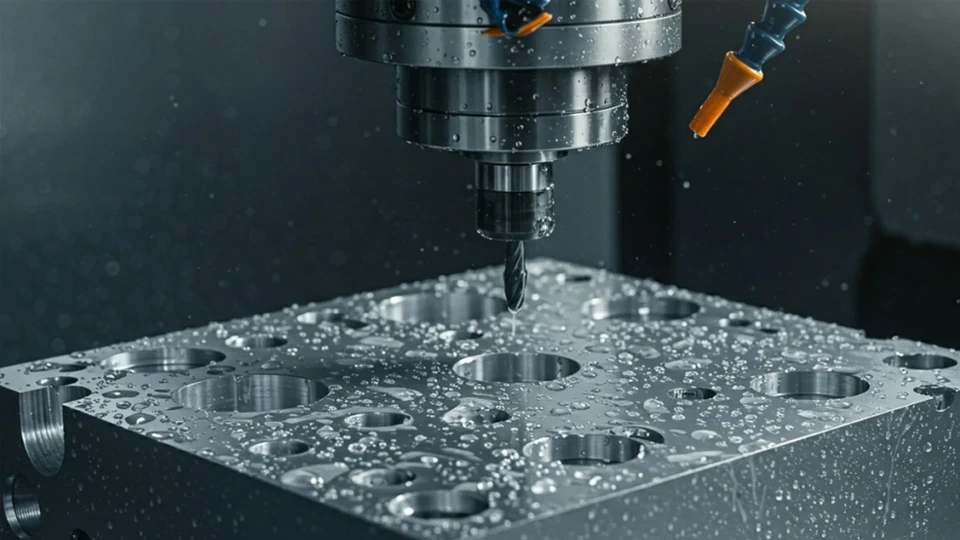
Drilling is used to create holes in the workpiece. On a machining center, drilling can be completed accurately according to the CNC program, which helps maintain consistent hole position and depth.
This operation is common in plates, housings, brackets, molds, and mechanical connection parts. When a part requires many holes, the machining center can complete them efficiently without repeated manual positioning.
Boring
Boring is used to enlarge or refine an existing hole. Compared with basic drilling, boring focuses more on hole accuracy, roundness, and surface quality.
This operation is important when the hole must fit a shaft, bearing, sleeve, or assembly component. A machining center can control boring paths precisely, making it suitable for parts that require stable dimensional accuracy.
Tapping
Tapping is used to create internal threads in holes. These threaded holes are needed for bolts, screws, and mechanical assembly.
A machining center can complete tapping after drilling within the same setup. This improves thread position accuracy and reduces the risk of errors caused by moving the workpiece to another machine.
Finishing and Complex Surface Machining
Finishing operations are used to improve surface quality, final dimensions, and part consistency. A machining center can use finishing tools, reamers, or contour tools to achieve smoother surfaces and tighter tolerances.
For complex parts, it can also machine curved surfaces, cavities, profiles, and three-dimensional contours. This makes machining centers useful for molds, precision components, and parts that require both shape complexity and stable machining accuracy.
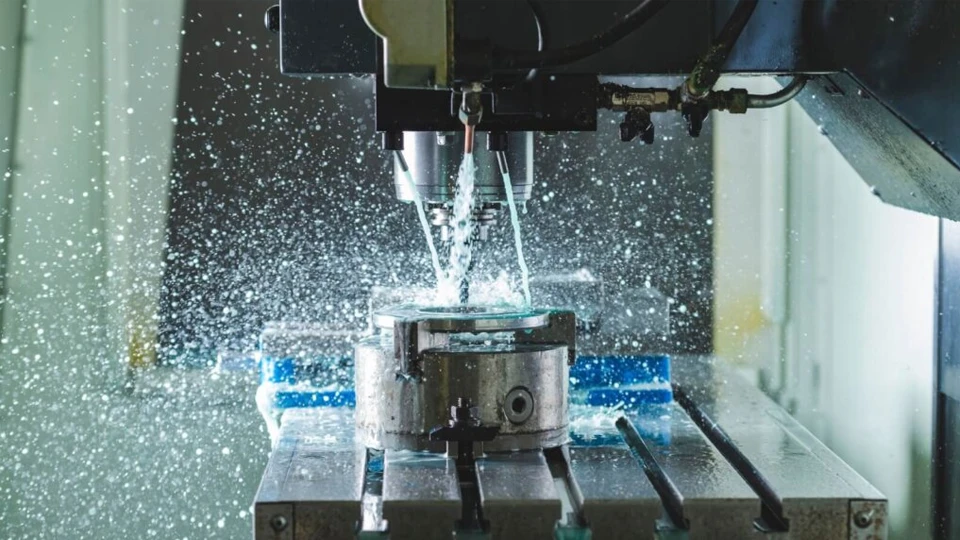
Where Are Machining Centers Used?
Machining centers are the backbone of modern industrial production. They are deployed across various sectors where precision, consistency, and efficiency are non-negotiable, directly translating into tangible commercial value.
Automotive Manufacturing
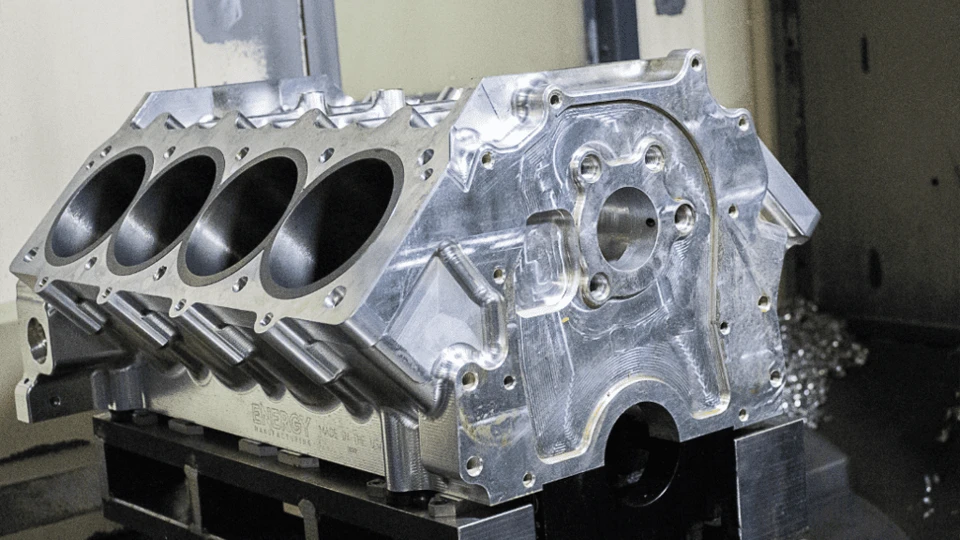
The automotive sector relies heavily on machining centers for the high-volume production of critical components, including engine blocks, transmission cases, brake parts, and lightweight aluminum housings. The equipment provides the strict dimensional consistency, stability, and rapid cycle times required to keep up with demanding automotive supply chains.
Aerospace Industry
Aerospace manufacturing demands extreme precision and the rigid capability to cut tough materials like titanium and specialized aluminum alloys. Machining centers are essential for producing structural frames, aircraft brackets, and complex engine components, ensuring strict adherence to the industry’s tight tolerances and uncompromising safety standards.
Mold Manufacturing
For injection molds, die-casting molds, and stamping dies, machining centers excel at carving intricate 3D cavities and cores. They deliver the high surface finish and dimensional stability necessary to reduce manual polishing time and ensure seamless mold mating.
Medical Device Manufacturing
Medical applications require flawless surface quality and exact precision, often on a micro-scale. Machining centers are utilized to produce orthopedic implants, intricate surgical instruments, and critical components for medical diagnostic equipment, efficiently handling both rapid prototyping and low-volume, high-mix production.
General Machinery and Metal Parts Processing
Beyond specialized fields, machining centers are highly versatile assets for metal job shops and general engineering firms. They efficiently process everyday industrial components such as flanges, mounting plates, brackets, and custom metal housings, allowing manufacturers to adapt quickly to diverse custom orders and varying batch sizes.
Machining Center vs CNC Milling Machine
While they share fundamental cutting principles, the distinction between a machining center and a standard CNC milling machine lies entirely in their level of integration and automation.
Here is a quick comparison:
| Feature | CNC Milling Machine | Machining Center |
| Primary Function | Focused mainly on milling operations | Multi-process (milling, drilling, boring, tapping) |
| Tool Changing | Manual or simple semi-automatic | Fully automatic (via ATC and tool magazine) |
| Automation Level | Moderate; requires operator intervention | High; enables continuous, uninterrupted machining |
| Best For | Simple parts, single operations, tight budgets | Complex parts, multi-tool tasks, high volume |
Core Difference
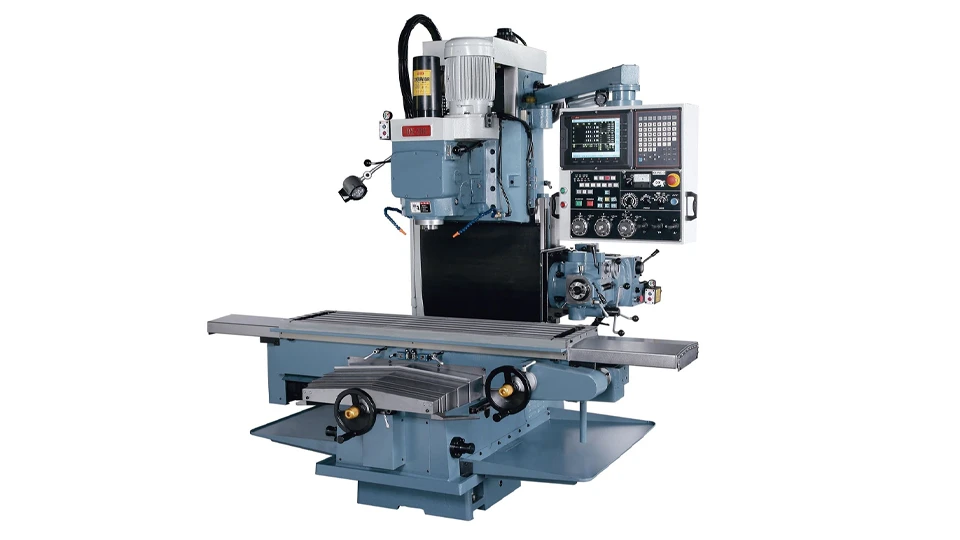
A CNC milling machine is primarily dedicated to milling operations. In contrast, a machining center is an advanced platform that automatically completes milling, drilling, boring, and tapping operations sequentially. The definitive difference is the integration of a tool magazine and an automatic tool changer (ATC).
Function Diversity
CNC milling machines are highly capable for standard face and profile milling. However, they lack process diversity. When a part requires a mix of milling, hole-making, and threading, a machining center excels by executing all these diverse functions in a single, continuous workflow.
Tool Changing
The physical presence of the ATC is the absolute dividing line. A machining center swaps tools automatically in seconds based strictly on the CNC program. A standard CNC mill typically requires an operator to manually stop the machine, loosen the collet, and swap the tool, causing significant downtime.
Automation
Because it manages its own tools, a machining center achieves a vastly superior automation level. It can run continuously, making it ideal for unattended, stable batch production. A CNC mill inherently requires more frequent operator intervention and supervision.
Accuracy and Efficiency
Every time a part is re-clamped for a new operation on a different machine, positioning errors occur. By finishing multiple operations in one setup, a machining center eliminates these cumulative errors, easily maintaining high accuracy on complex parts. However, for simple, single-tool milling tasks, a CNC milling machine remains an accurate and highly economical choice.
Cost and Best Use
Procurement decisions should align with production reality. If your facility handles simple parts, primarily basic milling tasks, and operates on a strict budget, a CNC milling machine is the practical choice. If you manufacture complex parts, require multiple cutting tools per job, and need high-efficiency batch production, the higher initial investment in a machining center is justified by its superior long-term ROI.
How to Choose the Right Machining Center
Choosing the right machining center depends on the parts a factory needs to produce, not only on the machine price or brand. A suitable machine should match the workpiece size, material, accuracy requirements, tool demand, production volume, and long-term service needs.
Workpiece Type
The first step is to define the workpiece clearly. A factory should consider the part shape, size, weight, machining surfaces, hole positions, and complexity.
For plate parts, molds, and general components, a vertical machining center is often practical. For box-shaped parts that need multi-side machining, a horizontal machining center may be more efficient. For large molds or heavy structural parts, a gantry machining center is usually more suitable. For complex curved surfaces or angled features, a five-axis machining center may be required.
Material and Cutting Load
Different materials place different demands on the machine. Aluminum is easier to cut and often benefits from higher spindle speed. Steel, cast iron, stainless steel, and titanium require stronger rigidity, higher torque, and stable cutting performance.
If the machine will handle heavy cutting, the buyer should pay attention to bed rigidity, spindle power, torque output, guideway structure, and cooling performance. A machine that is too light for the material may cause vibration, poor surface finish, faster tool wear, or unstable accuracy.
Accuracy Requirements
Accuracy requirements should be defined before choosing a machining center. Buyers should consider positioning accuracy, repeatability, spindle runout, thermal stability, and the tolerance range required by the final part.
For general machinery parts, standard accuracy may be enough. For molds, aerospace components, medical parts, or precision assemblies, higher machine accuracy and better compensation functions become more important. The machine should not only reach the required accuracy once, but also maintain it during repeated production.
Tool Capacity
Tool capacity depends on how many operations one part requires. Simple parts may need only a few tools. Complex parts may require roughing tools, finishing tools, drills, taps, boring tools, reamers, and special cutters.
A larger tool magazine helps reduce manual preparation and supports more continuous machining. However, bigger is not always necessary. The right choice should match the actual process plan, tool variety, and production style.
Production Volume
Production volume affects the machine configuration. For small-batch or custom parts, flexibility is important. The machine should be easy to set up, program, and adjust.
For batch production, efficiency and stability become more important. Buyers should consider automatic tool changing speed, fixture design, chip removal, coolant system, machine durability, and long-term repeatability. A machine used for continuous production must remain stable under daily cutting loads.
After-Sales Support
After-sales support is an important part of the purchase decision. A machining center is a long-term production asset, so buyers should consider installation, training, technical support, spare parts supply, warranty terms, and troubleshooting response.
This is especially important for overseas buyers. Clear communication, reliable shipping support, available spare parts, and practical maintenance guidance can reduce downtime and lower long-term operating risk.
Conclusion
A machining center is more than a machine for cutting metal; it is a practical answer to the modern factory’s need for accuracy, efficiency, and process stability. By combining multiple machining operations into one controlled workflow, it helps manufacturers reduce setup changes, improve part consistency, and handle more complex workpieces with confidence. From its working principle and core components to its types, applications, differences from CNC milling machines, and selection factors, understanding the machining center makes equipment decisions clearer and more practical.
For manufacturers looking for reliable CNC machine tools, Haisen provides machining centers and other metalworking equipment designed for real production needs. With experience in CNC lathes, machining centers, milling machines, vertical lathes, pipe threading lathes, Swiss-type lathes, boring machines, drilling machines, and grinding machines, Haisen supports buyers who need not only a machine, but a practical machining solution for long-term factory performance.