In a machining workshop, many parts begin as bars, tubes, castings, or forged blanks that still need accurate outer diameters, inner bores, shoulders, grooves, or threads. A lathe turns these raw forms into usable components by controlling how material is removed around a central axis. This is why understanding a lathe helps readers better understand modern manufacturing, repair work, and precision part production.
To understand a lathe clearly, it is necessary to look beyond the basic definition. The following guide breaks down its main components, working logic, common types, machining capabilities, and practical uses in real production environments.
What Is a Lathe?
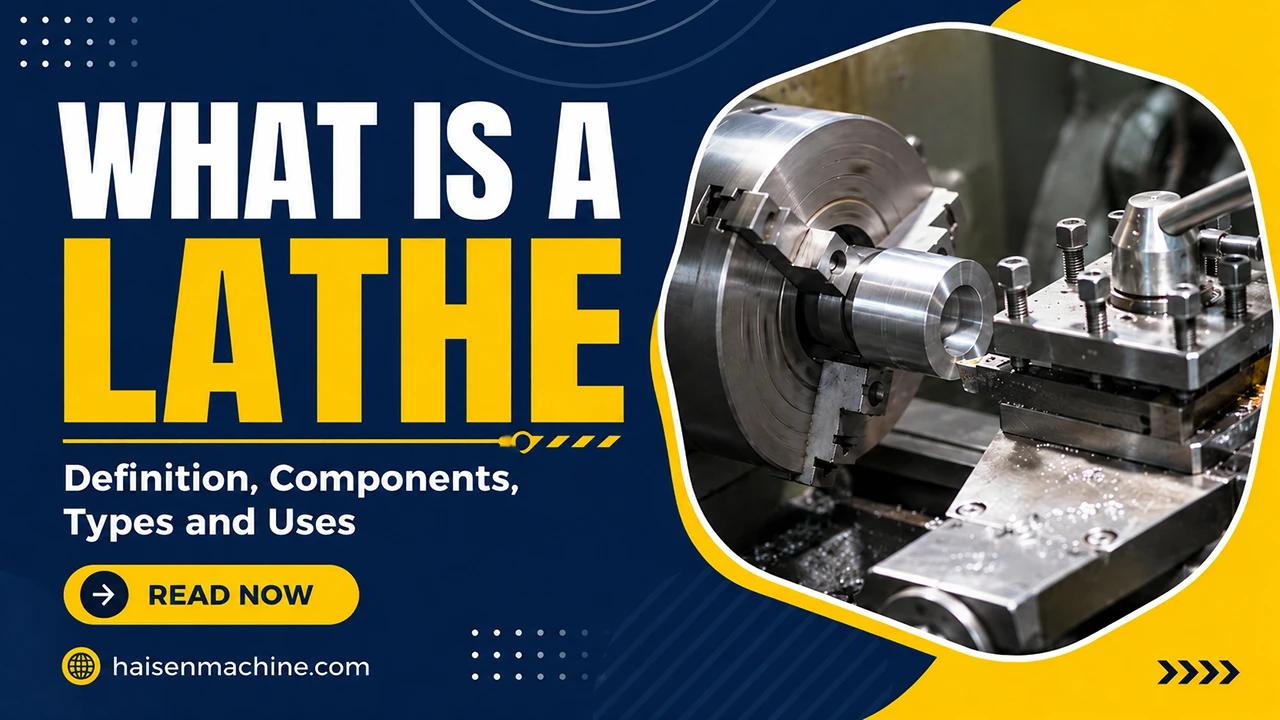
A lathe is a machine tool that rotates a workpiece around a central axis while a cutting tool removes material from its surface. This process is called turning. The main purpose of a lathe is to produce parts with round, cylindrical, conical, threaded, or other rotational shapes.
The key idea behind a lathe is simple: the workpiece rotates, and the tool shapes it. Because the material turns around one axis, the lathe is especially suitable for parts that need symmetry, accurate diameters, smooth surfaces, or precise threads.
Typical lathe-machined parts include shafts, bushings, sleeves, flanges, pulleys, rollers, pipe fittings, and threaded components. Depending on the machine type and tooling, lathes can be used for metal, wood, plastic, and other machinable materials.
In manufacturing, a lathe is one of the most basic and important machines because many components are built around rotational geometry. When a part needs an accurate outside diameter, inside bore, end face, groove, or thread, a lathe is often the first machine considered.
So, a lathe should not be understood only as a machine that “makes round parts.” More accurately, it is a controlled machining system for removing material around a fixed axis, turning raw blanks into precise and functional components.
How Does a Lathe Work?
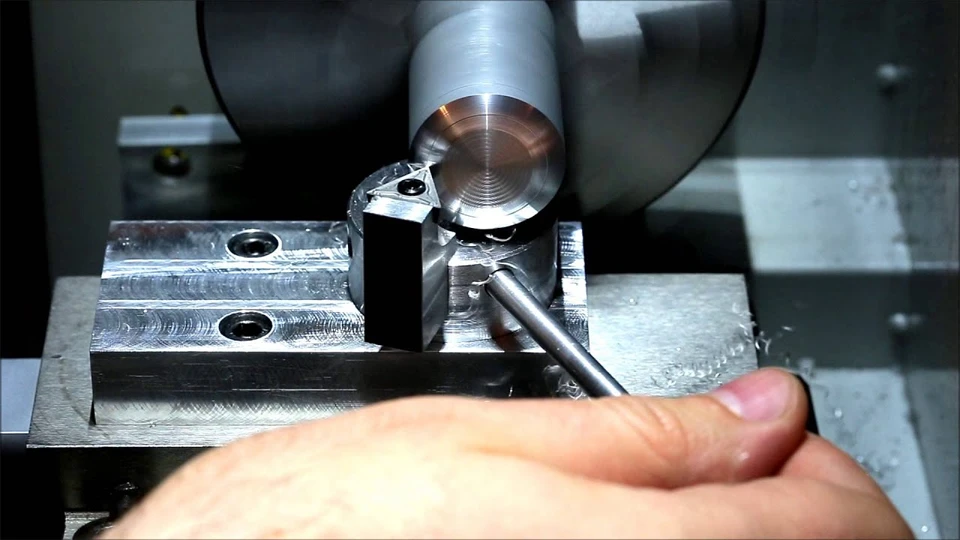
A lathe operates by rotating a workpiece around a central axis while a cutting tool moves along controlled paths to remove material. This combination of rotation and cutting allows the lathe to produce cylindrical, conical, threaded, or other symmetrical shapes with precision.
Workpiece Rotation
The workpiece is clamped securely using a chuck, collet, or faceplate. When the spindle rotates, the surface of the workpiece passes under the cutting tool. This main motion ensures uniform material removal and creates consistent diameters and smooth, symmetrical surfaces.
Tool Feed Movement
The cutting tool moves either along the axis of rotation or across it. This feed movement determines how much material is removed in each pass and directly affects the surface finish and dimensional accuracy. Controlled feed allows the lathe to handle both simple and intricate turning tasks efficiently.
Material Removal
Material is gradually removed layer by layer as the tool engages the workpiece. The combination of spindle speed, feed rate, depth of cut, and tool geometry determines how smoothly and accurately the part is shaped. Proper coordination of these factors ensures efficiency without sacrificing quality.
Accuracy and Surface Finish
The precision and surface quality of a lathe part depend on spindle speed, feed rate, cutting tool geometry, and how securely the workpiece is clamped. Correctly balancing these factors ensures accurate dimensions, smooth surfaces, and consistent results across individual parts.
Main Components of a Lathe
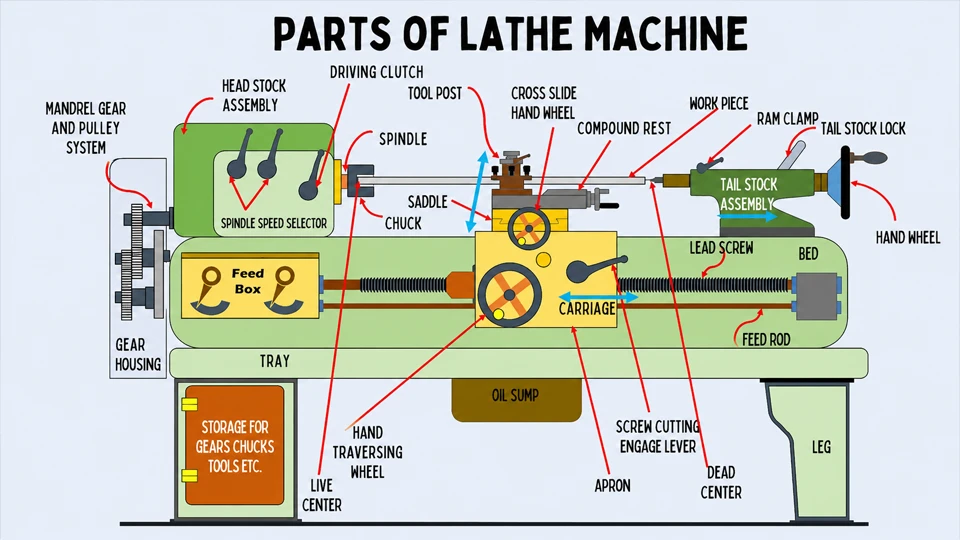
A lathe is made up of several key components, each serving a specific function to ensure accurate and efficient turning. Understanding these parts helps explain how a lathe achieves precision and supports different machining operations.
Bed
The bed is the base of the lathe, providing stability and support for all other components. Its rigidity minimizes vibration during cutting, which is essential for maintaining dimensional accuracy and surface finish.
Headstock
Located at one end of the bed, the headstock houses the spindle and drive system. It supplies the rotational motion to the workpiece and often contains mechanisms to adjust spindle speed, ensuring the right rotation for different materials and cutting requirements.
Spindle
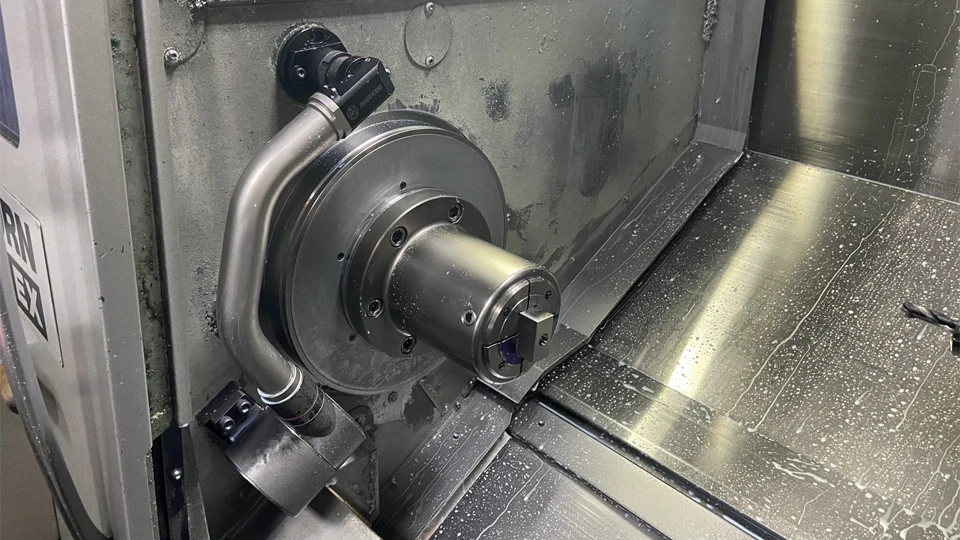
The spindle holds the workpiece in place and rotates it. It can accommodate various holding devices such as chucks, collets, or faceplates, depending on the shape and size of the material. Its stability and precision are crucial for uniform material removal.
Chuck or Collet
These components secure the workpiece to the spindle. A well-mounted workpiece reduces vibration and maintains concentricity, which directly affects both the dimensional accuracy and the surface finish of the turned part.
Tailstock
The tailstock is positioned opposite the headstock and provides support for long or slender workpieces. It can hold a center, drill, or other tools to assist in machining without deflection or bending of the material.
Carriage
The carriage moves the cutting tool along the bed, either longitudinally or transversely. Its controlled motion enables the precise shaping of the workpiece and allows for consistent cuts during turning operations.
Tool Post or Turret
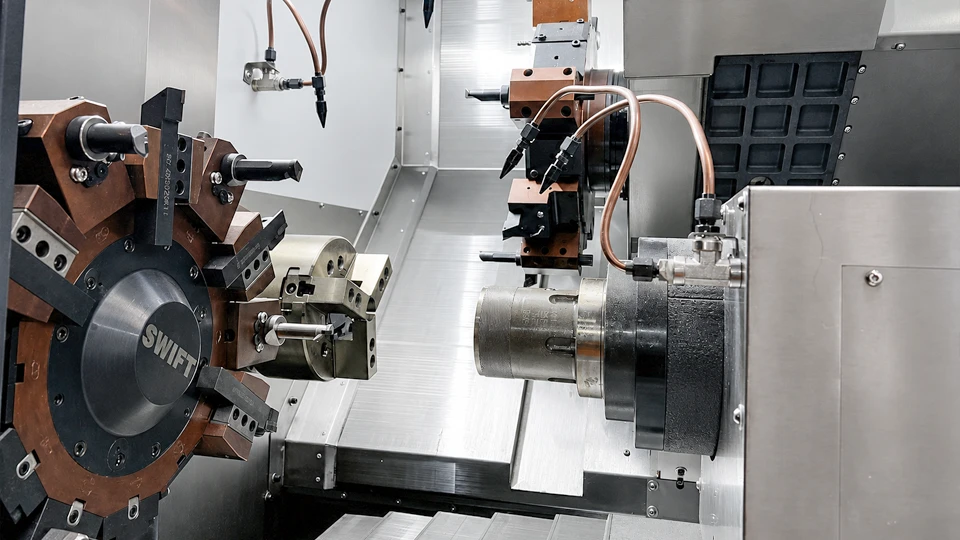
The tool post or turret holds the cutting tools and allows quick changes between different tools. On manual lathes, it enables stable mounting, while on CNC lathes, it can facilitate automated tool changes for multiple operations.
Feed System
The feed system transmits motion from the control mechanism to the cutting tool, regulating how fast and in which direction the tool moves. Accurate feed control is essential for achieving the desired surface finish and dimensional precision.
CNC Control System (Optional)
On CNC lathes, the control system programs and manages the movement of the spindle, carriage, and tool post. It ensures precise, repeatable motion for complex machining operations, though it is considered an enhancement rather than a core mechanical component.
Common Lathe Machining Operations
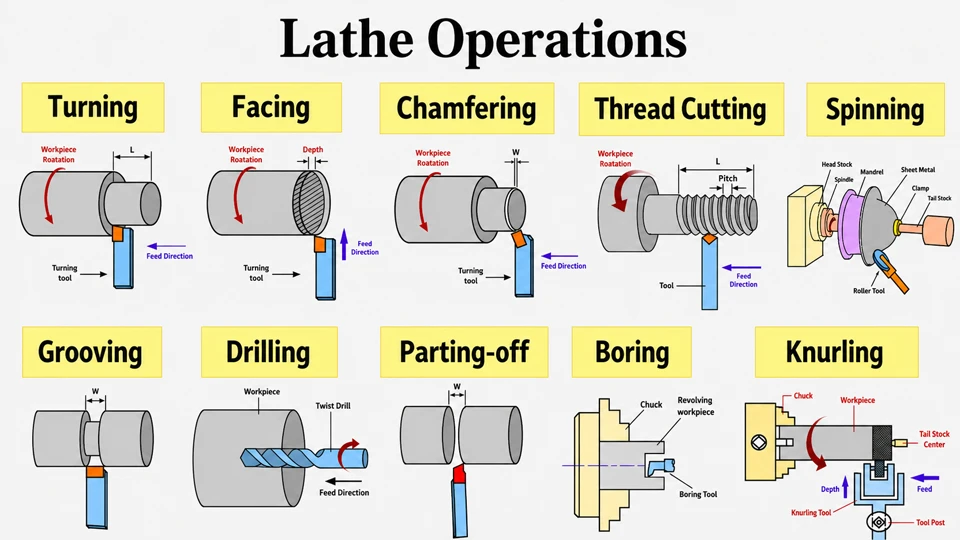
A lathe performs a variety of machining operations that shape a workpiece by removing material in controlled ways. Each operation targets specific features such as diameters, grooves, faces, or threads. Understanding these operations clarifies how lathes produce functional components efficiently.
Turning
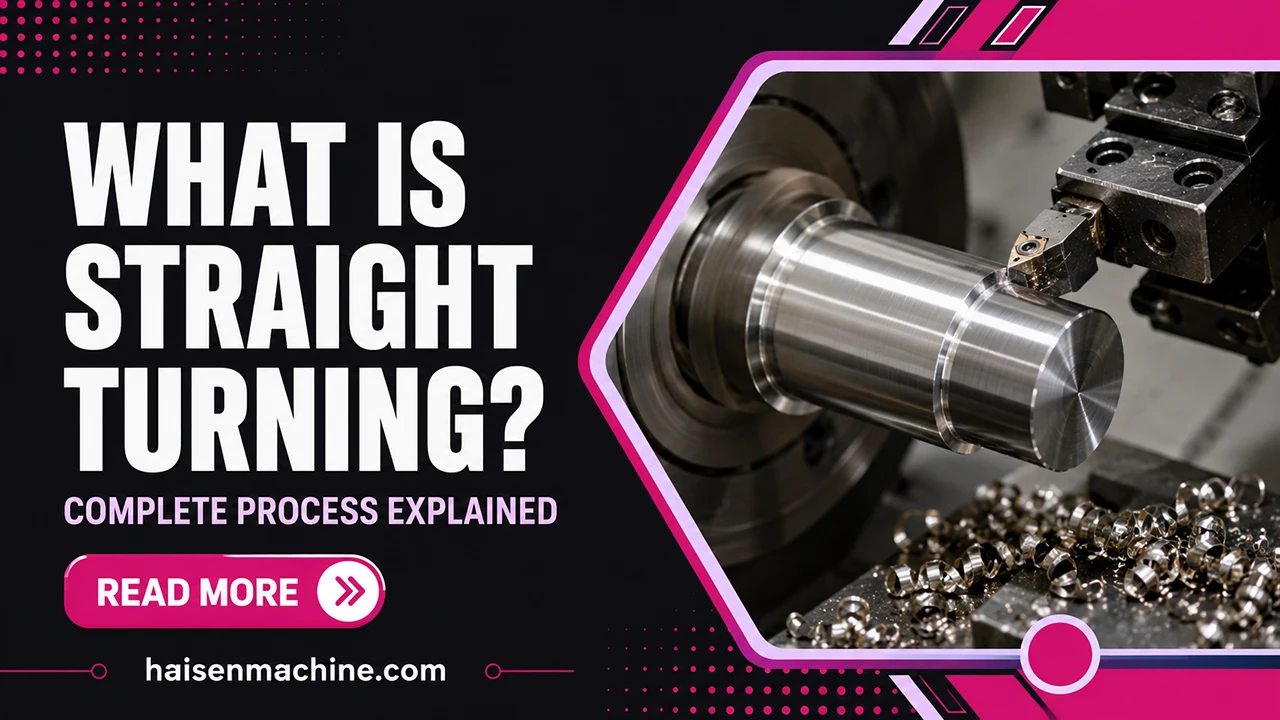
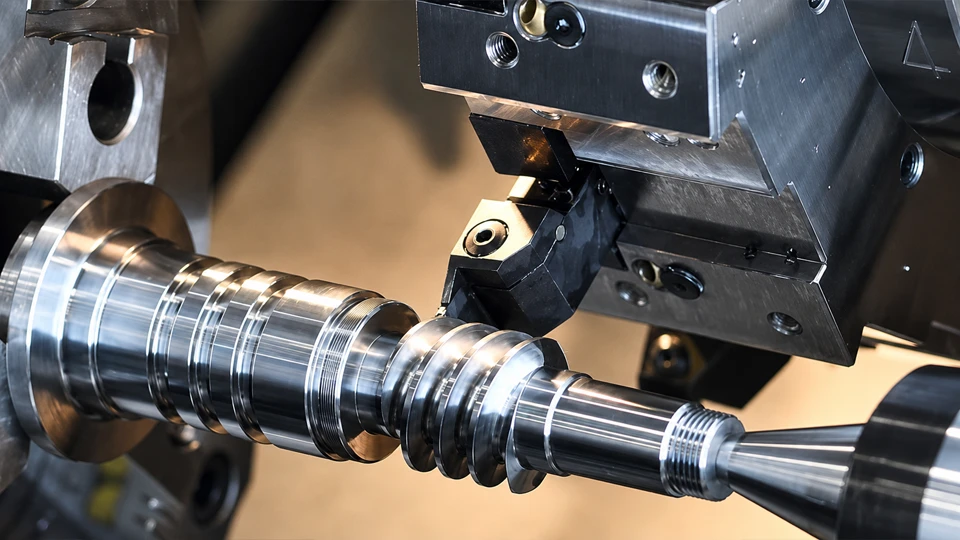
Turning reduces the outer diameter of a workpiece by moving the cutting tool along its length. It is the most basic operation, used to create smooth cylindrical surfaces and achieve precise dimensional control.
Facing
Facing cuts the end of a workpiece to produce a flat, perpendicular surface. It is often performed at the beginning or end of turning to ensure accurate length and a smooth finish.
Boring
Boring enlarges or finishes an existing hole inside the workpiece. It improves diameter accuracy and surface quality of internal features, which is essential for parts that require precise fits.
Drilling
Drilling creates new holes along the workpiece axis using a drill held in the tailstock or turret. It is often the first step before other internal machining operations like boring or threading.
Threading
Threading produces external or internal screw threads. The tool moves in synchronization with the rotation of the workpiece to cut helical grooves with accurate pitch and profile.
Grooving
Grooving cuts narrow channels or recesses on the workpiece surface. These grooves can serve functional purposes such as retaining rings, seals, or parting lines.
Parting or Cutting Off
Parting separates a finished component from the raw material bar. It is performed perpendicular to the axis of rotation and ensures a clean separation without damaging the workpiece.
Taper Turning
Taper turning produces a conical surface by gradually reducing the diameter along the length of the workpiece. It is commonly used for shafts, pins, or components that require angled fits.
Knurling
Knurling creates a patterned texture on the surface, often for grip or decorative purposes. The tool impresses a series of lines or diamonds while the workpiece rotates.
What Materials Can Be Machined on a Lathe?
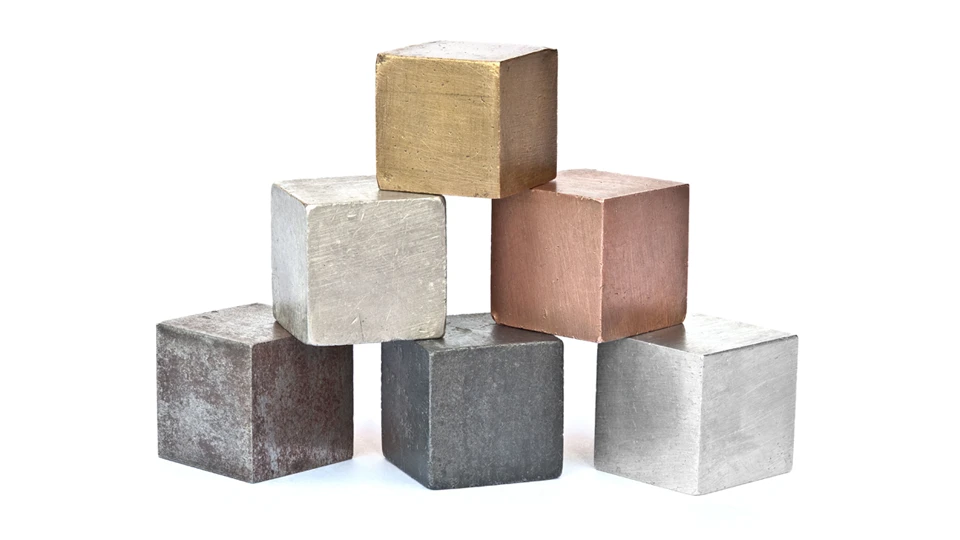
A lathe can machine many materials, as long as the material can be securely held, rotated, and cut with suitable tools. Although industrial CNC lathes are most commonly used for metal parts, lathes are not limited to metal machining. Wood, plastics, and some other machinable materials can also be turned on suitable lathe equipment.
Metals
Metals are the most common materials machined on industrial lathes. Common metals include carbon steel, stainless steel, cast iron, aluminum, brass, copper, titanium, and alloy steel. These materials are widely used for shafts, sleeves, bushings, flanges, fittings, rollers, and precision mechanical parts.
Different metals require different cutting conditions. Harder metals usually need stronger machine rigidity, suitable inserts, and controlled cutting parameters. Softer metals such as aluminum, brass, and copper may require sharper tools and better chip control. For difficult materials such as titanium or stainless steel, heat control and stable clamping are especially important for maintaining accuracy and surface quality.
Wood
Wood can also be machined on a lathe, especially on woodworking lathes. Instead of focusing mainly on industrial tolerances, wood turning is often used to create round or decorative shapes such as table legs, bowls, handles, columns, spindles, and furniture components.
When turning wood, tool sharpness, grain direction, cutting stability, and surface finish are important. Wood is softer than metal, but it can split, chip, or tear if the tool is dull or the workpiece is not supported properly. This is why woodworking lathes and metalworking lathes may look similar in principle, but they are designed for different cutting conditions.
Plastics and Other Materials
Plastics and some other machinable materials can also be turned on a lathe. Common plastics include nylon, POM, PTFE, acrylic, and engineering plastics. These materials are often used for seals, rollers, bushings, insulators, lightweight parts, and custom components.
Plastic turning requires attention to heat and deformation. Some plastics soften when temperature rises, while others may deform under excessive clamping force. Sharp tools, suitable speeds, and smooth chip evacuation help prevent melting, rough surfaces, and dimensional errors. For composites or special materials, the machine setup and tooling should be matched to the material’s cutting behavior.
Common Types of Lathes
Lathes come in different types, each designed for specific tasks, workpiece shapes, and production requirements. Understanding the main types helps readers recognize which machine is suitable for a particular application.
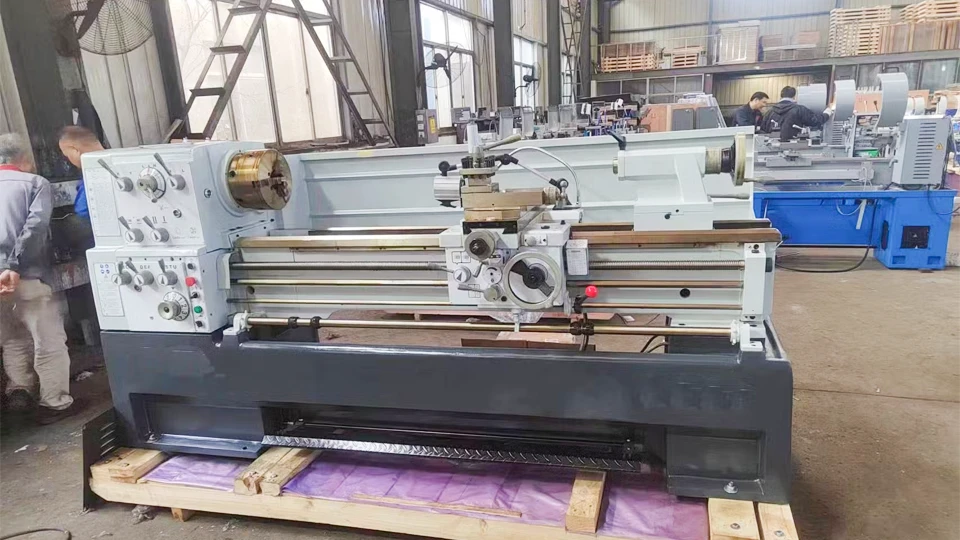
Engine Lathe
The engine lathe is a versatile manual machine commonly used for general turning tasks. It is ideal for small batch production, repair work, or teaching. Engine lathes can handle shafts, bushings, and other simple cylindrical components, providing reliable accuracy with manual control.
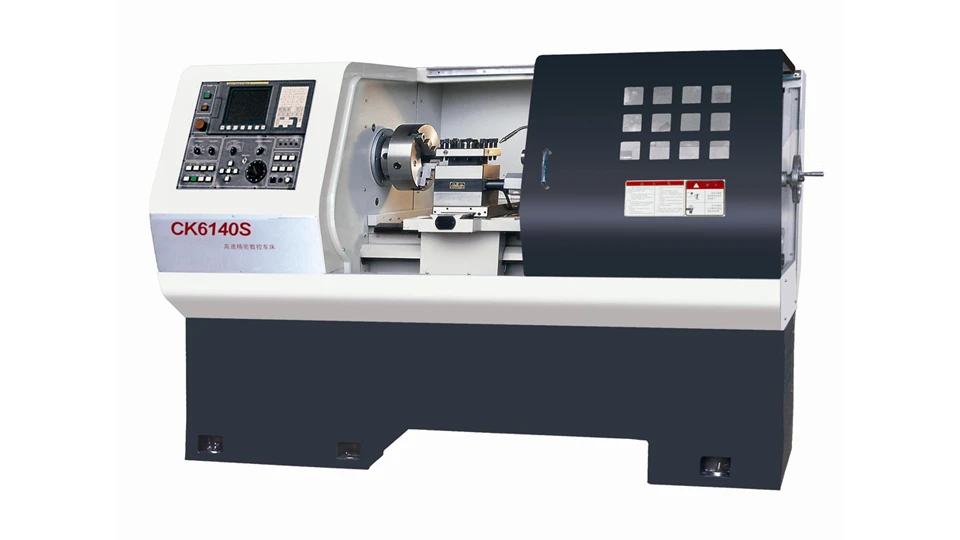
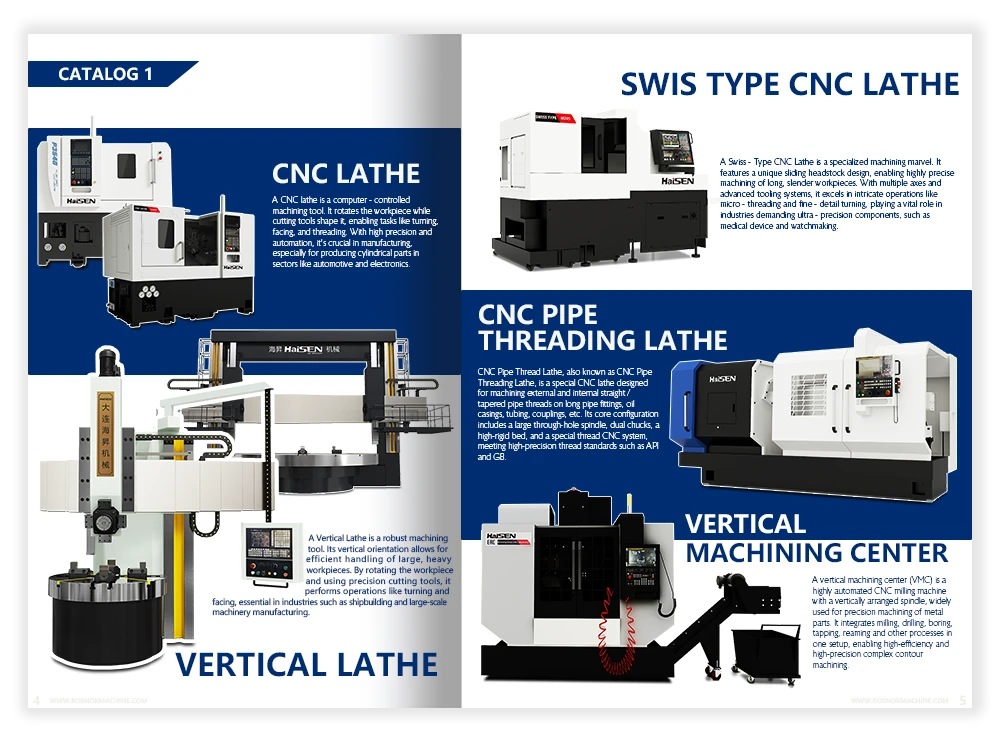
CNC Lathe
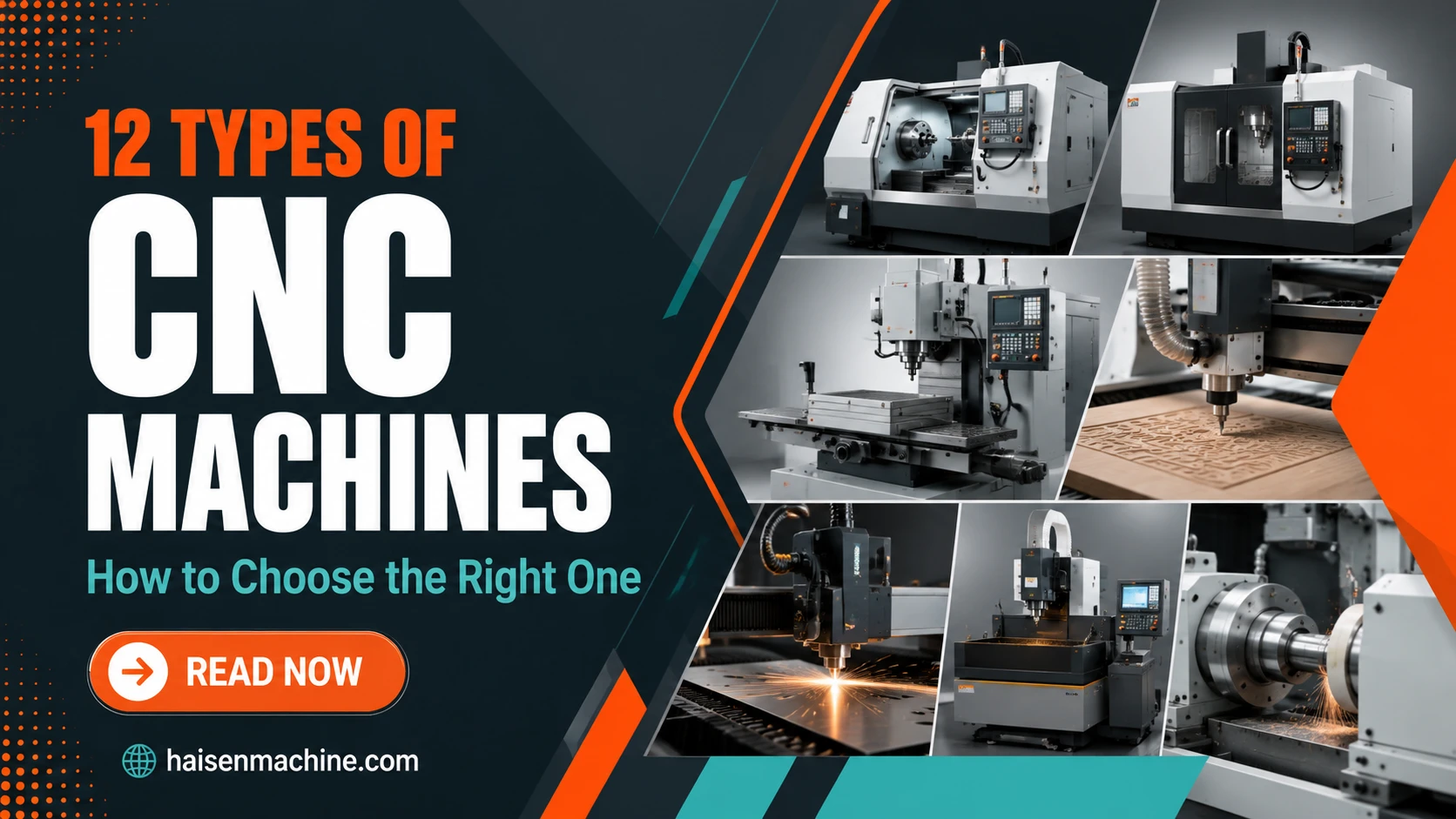
CNC lathes are automated machines controlled by programmed instructions. They offer high precision, repeatability, and efficiency, making them suitable for complex shapes and batch production. CNC lathes can perform multiple operations such as turning, facing, threading, and drilling in a single setup.
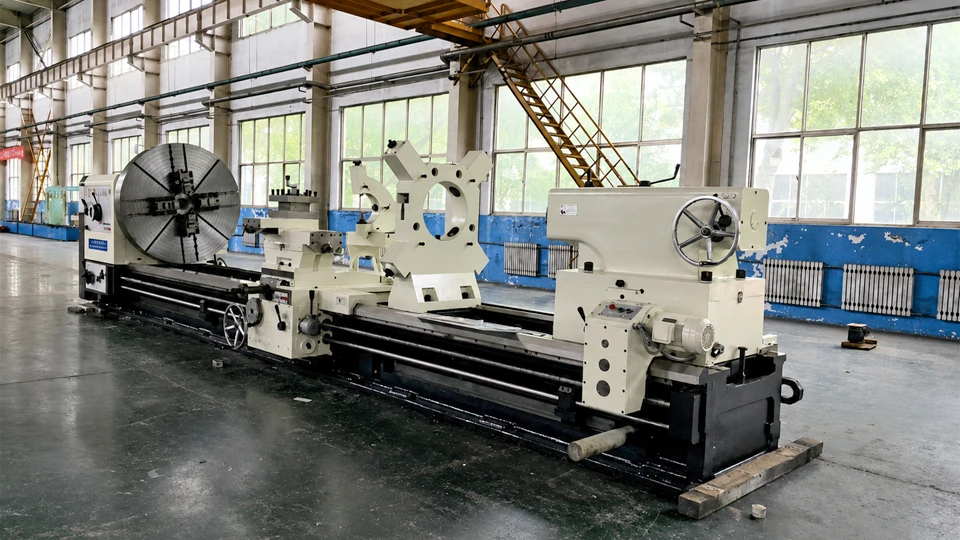
Horizontal Lathe
Horizontal lathes have a spindle axis parallel to the bed. They are widely used for shafts, sleeves, and other long or round components. The horizontal design allows for stable support and easy chip removal during machining.
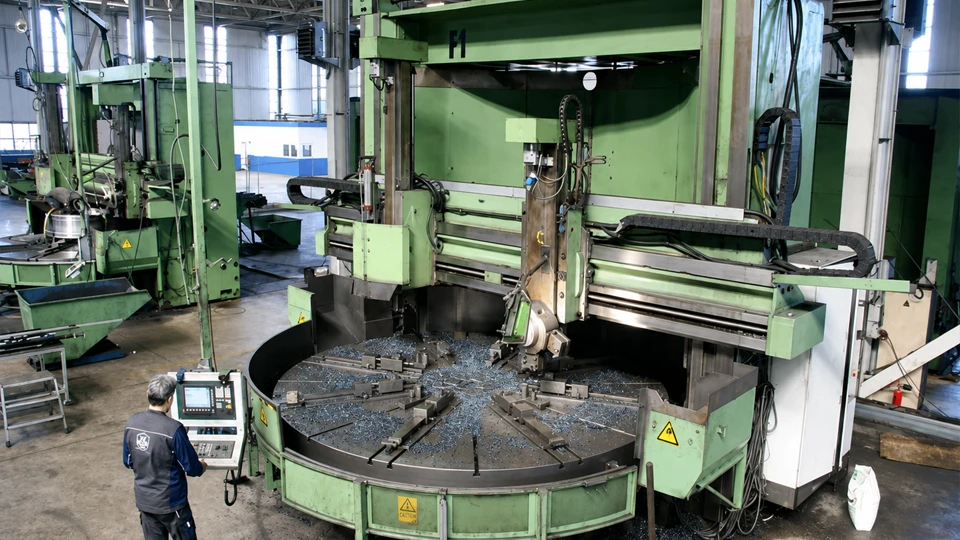
Vertical Lathe
Vertical lathes have a spindle oriented vertically. They are commonly used for large, heavy, round or disk‑shaped workpieces such as large flanges, flywheels, or gear blanks. The vertical orientation improves stability when handling heavy loads.
Pipe Threading Lathe
Pipe threading lathes are specialized machines for producing external threads on pipes. They are commonly used in oil and gas, petrochemical, and pipeline industries. These lathes are designed to handle large diameters and long threaded sections with accuracy.
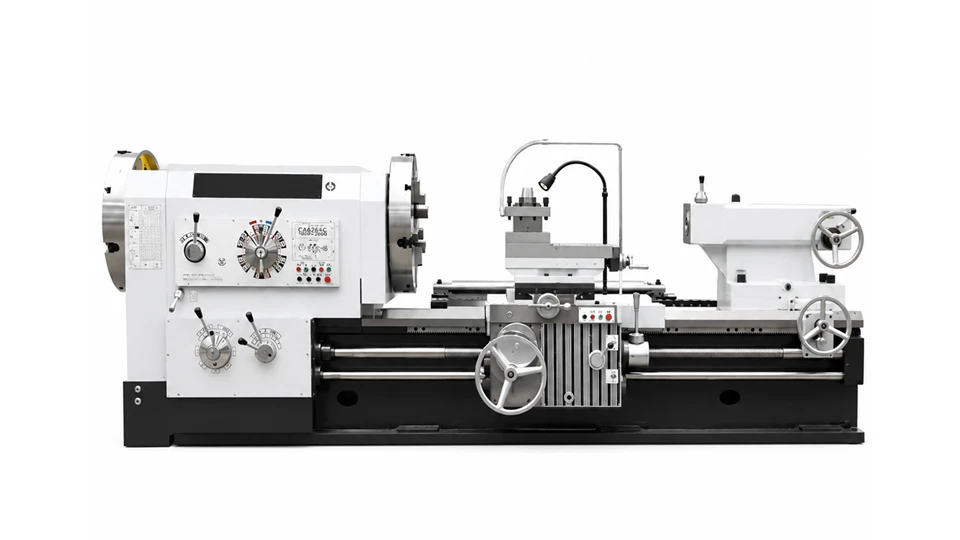
Swiss Type Lathe
Swiss type lathes, also called sliding headstock lathes, are designed for small, high-precision, long and slender parts. They are commonly used in medical, electronics, and automotive industries. Swiss lathes allow continuous support of the workpiece during turning, which improves accuracy.
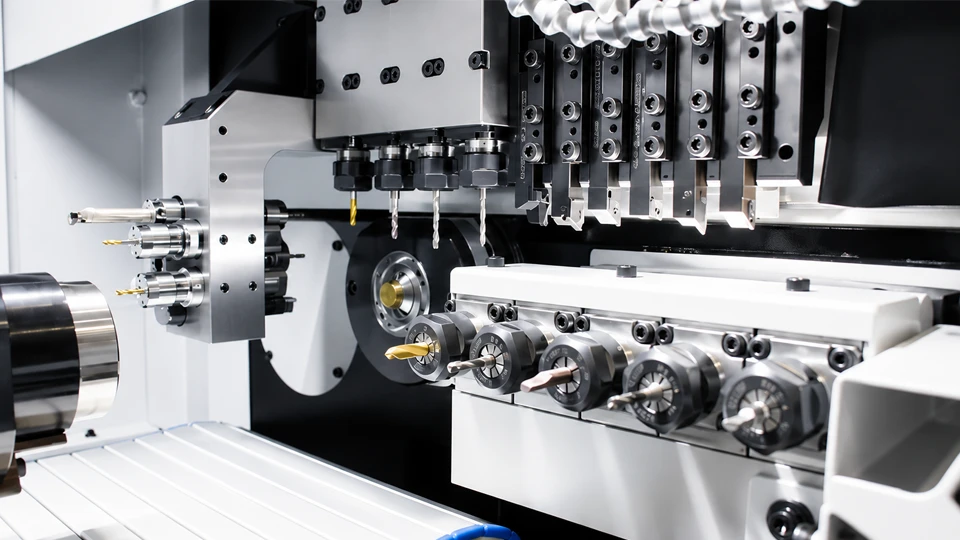
CNC Turning Center
A CNC turning center is an advanced turning machine designed for automated, high-precision production. Compared with a basic CNC lathe, it often offers stronger machining capability, better automation, and more integrated functions. CNC turning centers are commonly used for complex rotational parts that require stable accuracy, efficient tool changes, and consistent production quality.
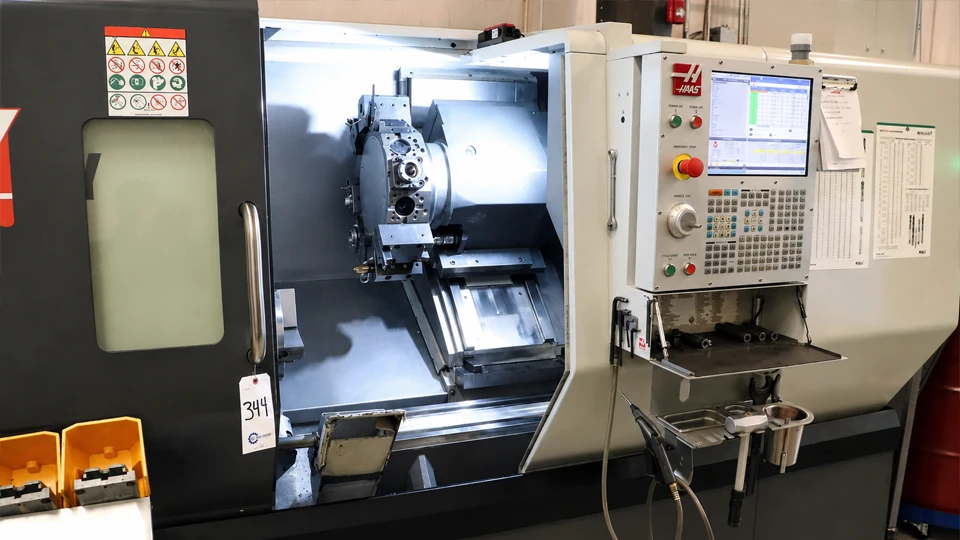
Turret Lathe
Turret lathes feature a tool turret that holds multiple tools simultaneously. This design allows quick changes between operations, making them efficient for repetitive tasks. Turret lathes are commonly used when multiple features must be machined consecutively.
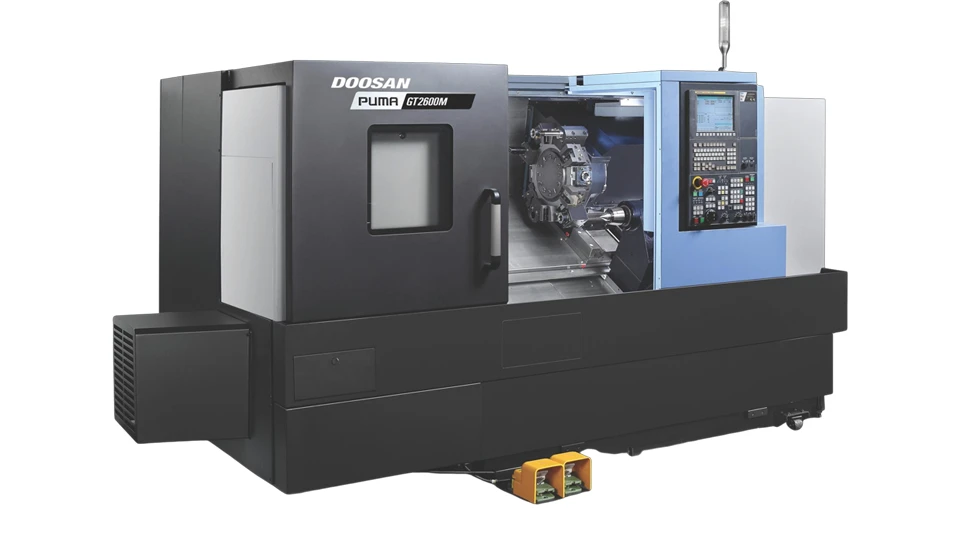
Main Uses of a Lathe in Modern Manufacturing
Lathes are essential machines in modern manufacturing because they can produce rotational components with high precision, consistent dimensions, and smooth surfaces. Their versatility allows them to be used across multiple industries, each requiring specific part types and tolerances.
Automotive Industry
In automotive production, lathes are commonly used to machine shafts, bushings, pulleys, and transmission components. Accurate turning ensures proper fit, smooth rotation, and reliable performance of engine and drivetrain parts.
Aerospace Industry
Aerospace components often require tight tolerances and high surface quality. Lathes are used to produce precision shafts, fittings, and rotational parts for engines, landing gear assemblies, and control systems.
Oil and Gas Industry
In the oil and gas sector, lathes machine large-diameter pipes, couplings, valves, and flanges. Threading and precision turning are critical to ensure secure connections and long-term durability under high pressure.
Medical Industry
Medical parts such as implants, surgical components, and small titanium parts are often produced on high-precision lathes. These components demand both dimensional accuracy and biocompatible surface finishes.
Electronics and Precision Instruments
Lathes are used to manufacture small shafts, connectors, pins, and precision sleeves for electronics and instrumentation. Compact, high-precision lathes allow consistent quality for tiny, intricate parts.
General Machinery Manufacturing
Lathes play a key role in producing shafts, rollers, bushings, and other rotational components in machinery manufacturing. They are also used for maintenance and repair of mechanical parts, ensuring that replacement components meet exact specifications.
Advantages of Using a Lathe
Lathes provide several key advantages in manufacturing that make them indispensable for producing rotational parts efficiently and accurately.
High Accuracy
Lathes can achieve tight dimensional tolerances and precise geometries. The combination of stable workpiece rotation, controlled tool feed, and rigid machine structure ensures that components meet exact specifications.
Smooth Surface Finish
By controlling spindle speed, feed rate, and tool geometry, lathes can produce smooth, consistent surfaces. This reduces the need for secondary finishing and improves part performance in assemblies.
Versatility
A single lathe can perform multiple operations such as turning, facing, threading, boring, and grooving. This flexibility allows one machine to handle a wide range of part geometries without additional equipment.
Efficiency
Lathes remove material efficiently, producing parts quickly while maintaining accuracy. CNC lathes further enhance productivity by automating tool changes and machining sequences.
Repeatability
When set up correctly, lathes can produce multiple identical parts consistently. This repeatability is critical for both prototype and production runs, ensuring uniform quality across batches.
Broad Material Compatibility
Lathes can machine metals, plastics, and other machinable materials. This adaptability allows manufacturers to handle diverse projects using the same machine platform.
Limitations of a Lathe
While lathes are versatile and precise, they have certain limitations that should be considered when planning machining tasks.
Limited to Rotational Features
Lathes are primarily designed for workpieces with rotational symmetry. Parts with complex non-rotational shapes, flat surfaces, or irregular geometries are better suited to milling machines or other specialized equipment.
Size Constraints
The physical dimensions of the lathe, including bed length, swing diameter, and spindle bore, limit the maximum size of workpieces that can be machined. Oversized components may require custom or specialized machines.
Support for Long, Slender Parts
Long, thin workpieces may experience deflection or vibration during turning. Additional support, such as steady rests or tailstock centers, is required to maintain accuracy.
Dependency on Proper Setup
Accuracy and surface quality depend heavily on proper workpiece clamping, tool alignment, and machine stability. Incorrect setup can lead to dimensional errors, poor surface finish, or tool damage.
Specialized Knowledge for CNC
CNC lathes require programming skills and knowledge of machine operations. Incorrect programming or improper parameter selection can result in scrap parts or inefficient machining.
Material Limitations
Some materials, particularly very soft, brittle, or highly abrasive ones, may be challenging to machine on a lathe without specific tooling or process adjustments.
How to Choose the Right Lathe
Selecting the appropriate lathe ensures efficient, accurate, and cost-effective machining. Several factors should be considered to match the machine with the workpieces and production needs.
Workpiece Size
Consider the maximum diameter, length, and weight of the workpiece. Ensure the lathe’s bed length, swing diameter, and spindle bore can accommodate the largest components.
Workpiece Material
Different materials require different machine rigidity, spindle power, and tooling. Hard metals need stable, rigid machines, while softer materials require proper chip control and sharp tooling.
Required Accuracy
Determine the dimensional tolerances, surface finish, and concentricity needed. Machines with higher precision, stable structures, and accurate tool guidance are necessary for tight tolerances.
Production Volume
Assess whether the operation is single-piece, small-batch, or high-volume. This influences whether manual lathes, CNC lathes, or automated systems are more suitable.
Machining Operations
Identify the required operations such as turning, facing, boring, threading, or grooving. Ensure the lathe can handle all necessary processes without frequent reconfiguration.
Automation Level
Decide if automation is needed for efficiency, such as CNC control, automatic tool changes, or multi-axis capability. Higher automation reduces operator dependency and improves repeatability.
After-Sales Support
Consider the availability of installation, training, spare parts, and maintenance services. Reliable support minimizes downtime and ensures consistent production quality.
Total Cost of Ownership
Evaluate not only the purchase price but also setup, tooling, maintenance, energy consumption, and potential downtime. A higher initial investment may be justified by long-term efficiency and reduced operational costs.
Conclusion
The lathe is far more than a traditional piece of machinery; it is the absolute cornerstone of modern manufacturing, silently shaping the critical components that drive our industrial world forward. Ultimately, mastering the fundamental principles of turning, understanding the machine’s core components, and carefully matching the equipment to your specific material, volume, and tolerance requirements are the proven keys to achieving superior precision and long-term cost efficiency.
Transforming these machining concepts into real-world production success requires not just technical knowledge, but highly dependable equipment. As a specialized manufacturer of professional CNC machine tools, Rosnok is dedicated to providing industries with high-performance CNC lathes engineered for exceptional rigidity and accuracy. By combining robust structural designs with advanced manufacturing technologies, Rosnok Machine ensures that every turning operation translates into a reliable and tangible competitive advantage for the factory floor.